Legal accessibility
3. Milestone
In 2018, we continued the work in three fields:
The implementation of the third milestone of the Legal accessibility initiative took place in 2018. The aim of the project is to take the results of the previous initiatives forward based on the knowledge gained during the two former projects and the EU experiences.
The activities concern three main topics. On the one hand, we would like to complement the results of the Hungarian research concerning the cross-border movement of ambulances, with the exploration of the policy environment of the neighbouring countries. On the other hand, we will duplicate the researches of a study, developed in 2002-2003 in the light of the EU regulatory environment that has changed significantly in the meantime. The study analyses the conditions of the regional cross-border integrated patient care along the Hungarian borders, based on Western European good practices.
The third topic of the project is the summary of the experiences of the Hungarian EGTCs as part of the regulatory process related to the new EU budget cycle (2021-2027). With the study that processes the above mentioned, we would like to contribute to the review of the relevant EU EGTC regulation.
Go to the introduction of the fulfilment of the indicators.
The final report of the third milestone can be downloaded in Hungarian and English by clicking on its cover:
 |
 |
1. Cross-border rescue
In the framework of the subproject, we continued the work that we started during the previous two Legal accessibility projects, further facilitating the development of the cross-border rescue discourse between Hungary and the neighbouring EU Member States. While we analysed the Hungarian regulatory environment in the framework of the 2017 project, in 2018, we tried to explore the position of the authorities of neighbouring countries, and their existing policy guidelines in relation to the topic, which brings us closer to the formulation of the proposals on multilateral harmonisation of legislation.
The summary report prepared in the frames of this subproject can be downloaded by clicking on its cover below.
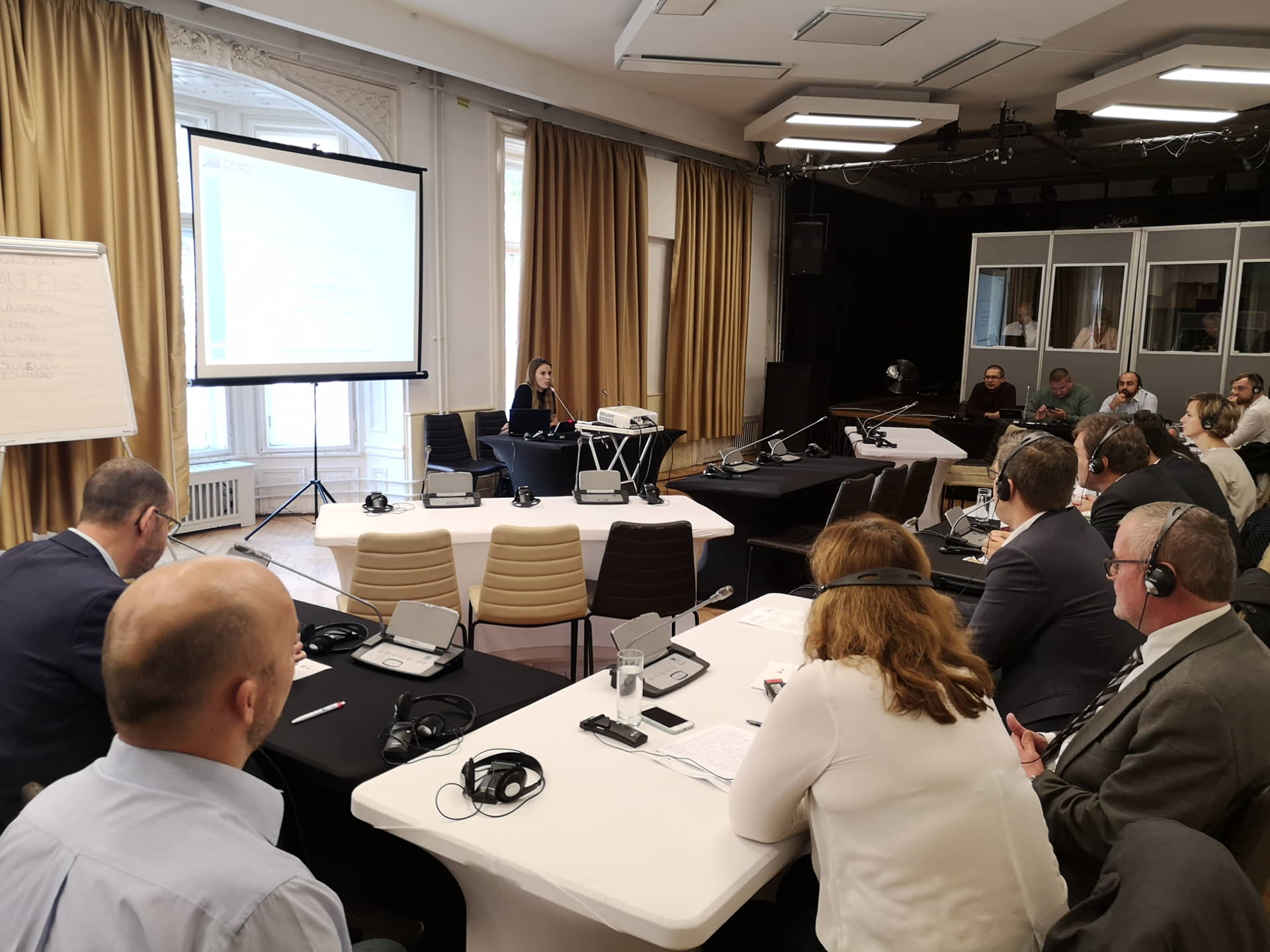
In the framework of the subproject, we contacted the relevant cross-border institutions and with the help of the interviews made with those regionally competent (seven persons) in four neighbouring countries (Austria, Croatia, Romania, Slovenia), we gathered information on the operation of the rescue and emergency service. Following the personal interviews, we organised an international, interactive, professional seminar in Budapest, on 13 November in Kossuth Klub, which aimed to establish personal contacts between those affected and to summarise the possible frameworks of the regulatory harmonisation. 28 experts participated in the seminar.
 |
 |
| The participants of the ambulance seminar in the Kossuth Klub |
While according to the interviews, comparing the rescue system of neighbouring countries became possible based on the criteria (organisational structure, financing, system of the rescue unit, time limit for arrival, order of border crossing, operating licenses, use of emergency vehicle lighting, administrative-technical conditions, emergency call centres, radio systems, language factor, openness of cooperation) defined in the previous legal accessibility project, the experts had already discussed the steps that are needed to overcome the obstacles during the seminar.
As a result of the subproject, on the one hand, it was determined which further actors would be needed to continue the cooperation. On the other hand, operational proposals have also been formulated, such as: development of a contact mechanism; establishing an international certification system and a common certification; setting up national coordination centres; establishment of interpreting services; development and harmonisation of TETRA radio networks and equipments.
It is possible to continue the project on 3 levels, but in parallel, keeping in mind the synergies:
2. The establishment of cross-border health services
Within the subproject, we continued our work that we have already begun in recent years, to prepare for the establishment of cross-border health services. In particular this subproject covered, the rights of patients provided by the European Union and national legislation, as well as the already existing Western European models. In order to study how and under what conditions cross-border service areas could be developed with the participation of Hungary and Hungarian hospitals.
The study prepared in the frames of this subproject can be downloaded in Hungarian by clicking on its cover below.
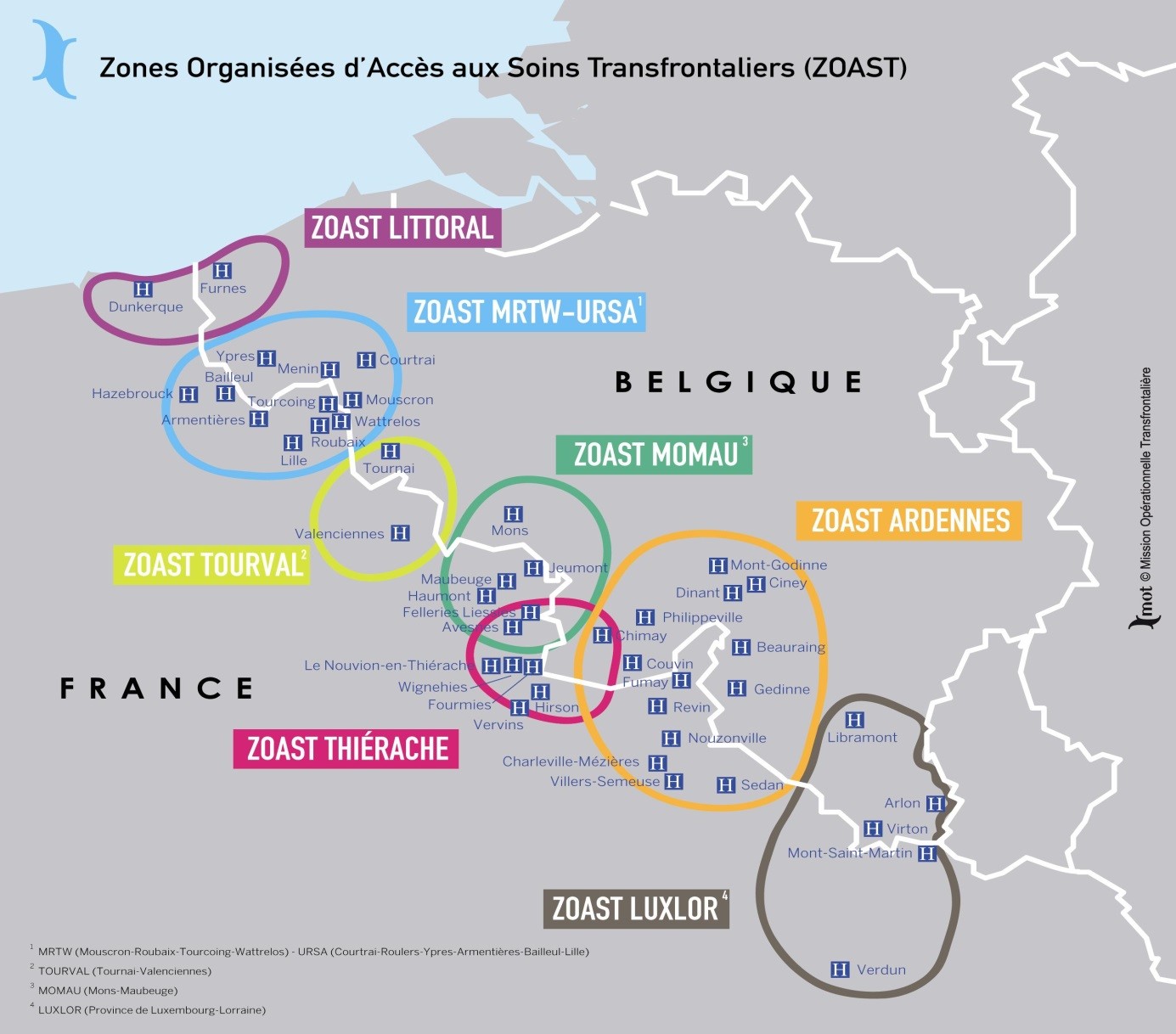
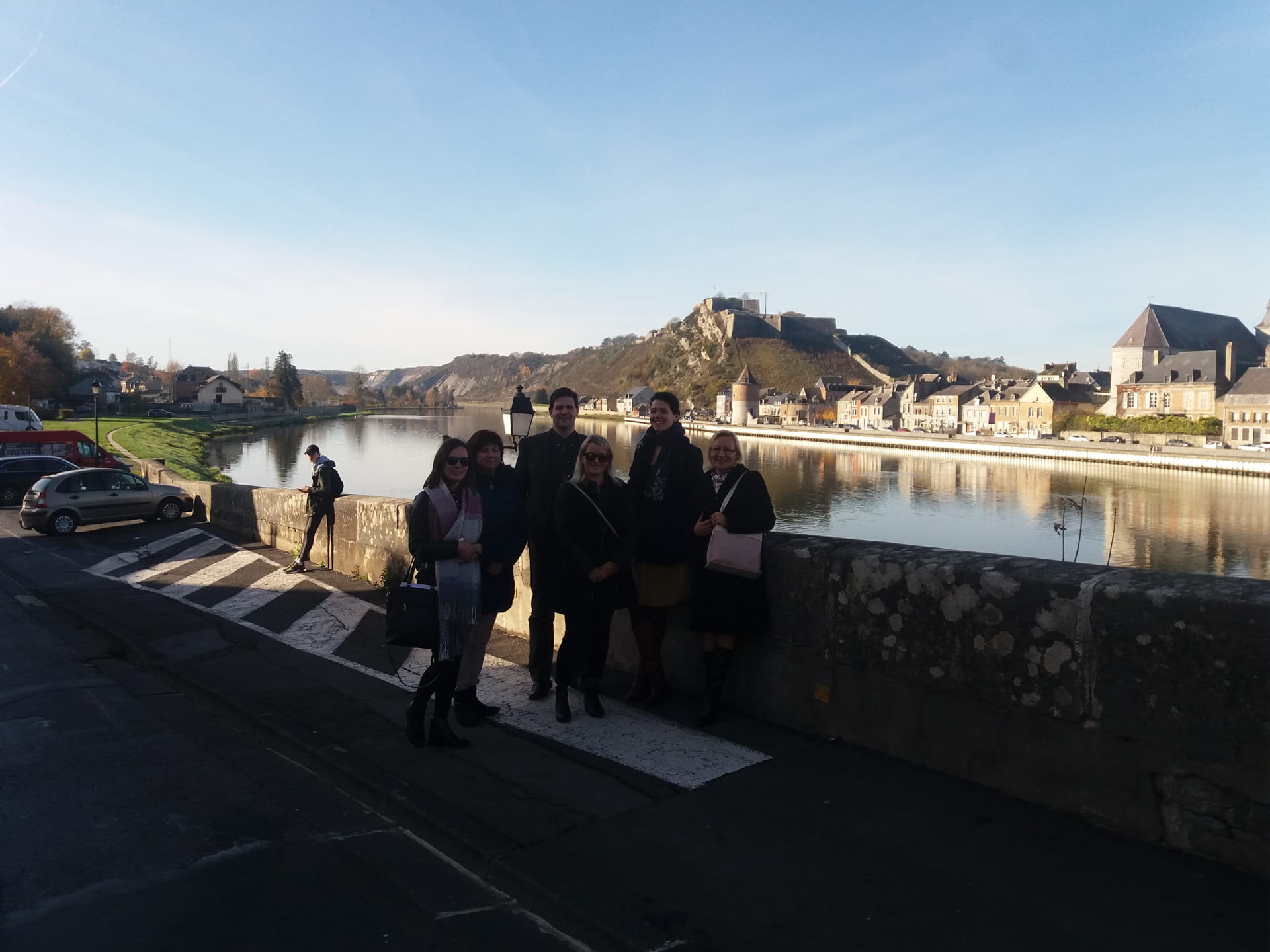
To improve cross-border patient mobility, we implemented the following activities:
According to the results of the subproject, a total of ten specific proposals were formulated concerning border crossings for health purposes, and another four for health tourism. The study presented four possible models for financing medical treatment.
The European Union provides the legislative and policy framework for extending patients’ rights, ensuring the conditions for cross-border patient mobility; however, there is still a need for further action to implement them, which we are planning within the 2019 Legal Accessibility Project:
3. Legal obstacles of EGTCs
The original aim of the subproject was the review of the work experience and legal obstacles related to the operation of EGTCs with Hungarian interest, in order to review the EGTC Regulation planned in connection with the EU budgetary planning process starting in 2018; and with the help of the review of the work experience and legal obstacles related to the operation of EGTCs with Hungarian interest ,to propose an amendment to the Regulation that can exclude misuse and promote exemplary models across the EU. However, the Commission Report of 17 August 2018 concluded that other types of activities were needed instead of a further amendment of the EGTC Regulation. However, we did not exclude the clarification of the situation in Hungary, and to gather information about the legal difficulties, and taking into account the current good practices
The study prepared in the frames of this subproject can be downloaded by clicking on its cover below.
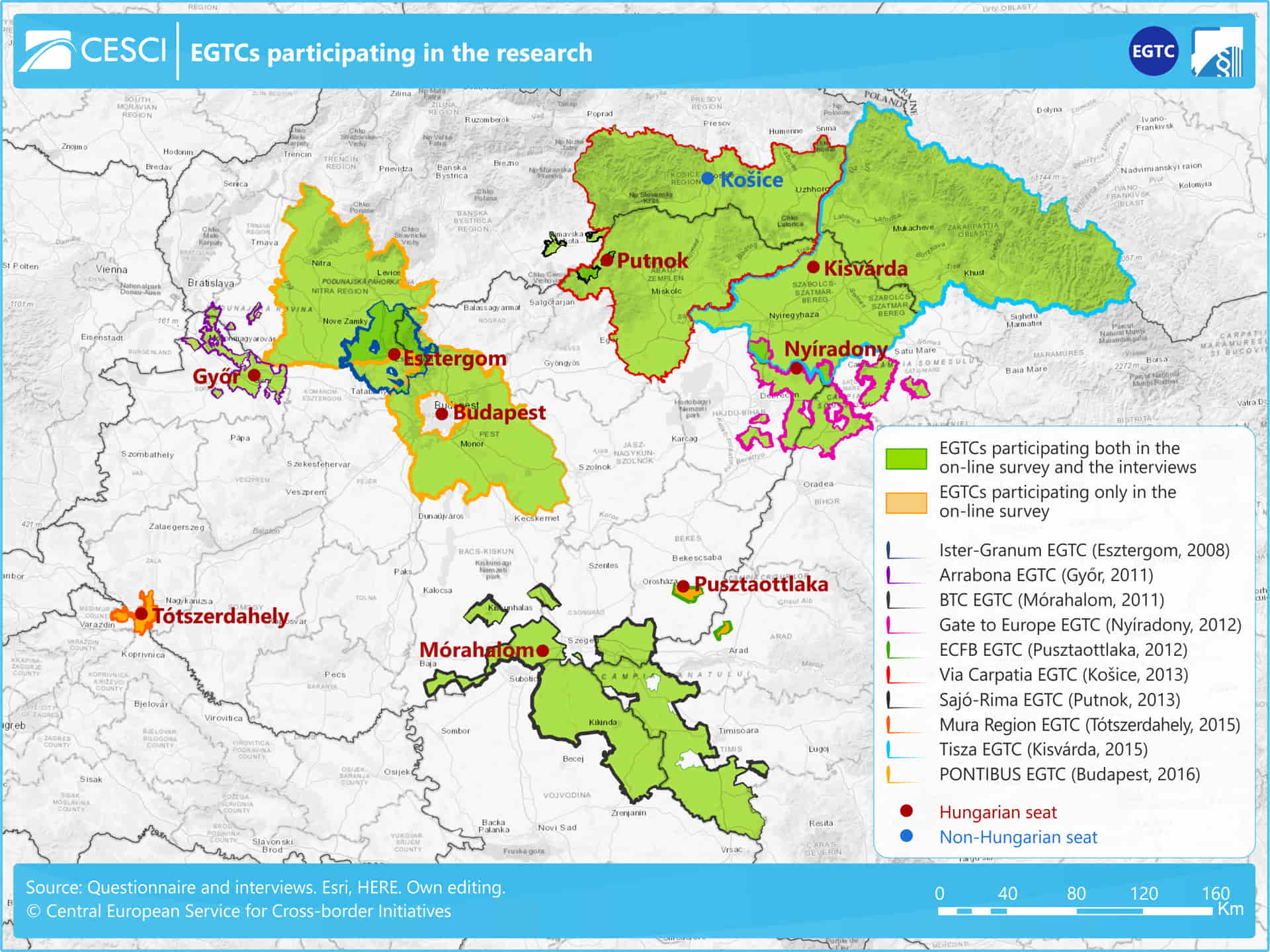
In order to gather the operational experience of the EGTCs in Hungary, a questionnaire consisting of 19 questions was sent to EGTCs with Hungarian interest. This questionnaire was completed by 10 EGTCs.
Based on the questionnaire, a personal interview was also made with 8 EGTC representatives. The primary purpose of the interviews was to specify the problems identified during the questionnaire and to go into further details about their experience through the means of personal communication. In addition to the questionnaire and personal interviews with the EGTC representatives, office research work was also carried out within the subproject. This research focused on examining the legal environment at EU and national level for EGTCs, and on reviewing regulations related to the EGTCs’ experience. The project resulted in a study written in English, which was also sent to the EU institutions involved in EGTC policy.
Based on the obstacles identified during our research and the professional experience of recent years, we identified three problems and we also made suggestions for eliminating legal obstacles of the functioning of the EGTCs:
Although the first two set of proposals made recommendations based on EGTC’s experience, the third one would like to highlight a way forward with the current SGEI and EGTC regulations.
Based on the information unravelled in the subproject, the study came to a similar conclusion as the report of the European Commission in 2018: the main problem lies not in the legal framework, but in the unambiguous interpretation and unequivocal application of the current legislation, as well as in the lack of awareness of the concerned parties. Thus, the implementation of information events on the situation in the EGTCs is likely to be a continuation of this subproject. In that respect, CESCI launches two new initiatives:
Completion of indicators (Third milestone)
* The Ministry of Human Resources of Hungary had preliminary delegated one development and one legal expert who were not able to attend the event because of other duties.
** The two study tours (to the two destinations) were arranged unified in a week due to geographical proximity, financial reasons and to make the organisation easier.
The project was funded by the Ministry of Justice.
The project documents and the conclusions and recommendations contained therein do not necessarily reflect the official position of the Promoter.