Legal accessibility
6. Milestone
The 6th milestone of the Legal accessibility initiative (in 2021) includes three activities related to two topics:
The analysis of the first topic is justified by the fact that in parallel with the EU integration process, the borders become more and more permeable and, as a result, the services provided by nearly 100 urban centres located on both sides of the Hungarian borders are used by more and more people on both sides. This process has an impact not only on the service providers but also on the governance and funding schemes of the particular border area.
In 2019, with the involvement of the experts of the four countries, CESCI wrote a proposal on a legal accessibility mechanism to be set at Visegrad Four level. The negotiations on the initiative started at the beginning of 2020 at diplomatic level but have been interrupted by the coronavirus pandemic. In the second half of 2021 Hungary takes the rotating presidency of the V4 cooperation and CESCI intends to use this occasion for the popularisation and preparation of the mechanism.
Legal solution for the institutionalisation of urban agglomeration areas
As part of the 6th milestone of the Legal accessibility project, a study involving French experts was carried out to take stock of the situation and governance models of cross-border conurbations in France, showing their modalities and legal frameworks and the underlying territorial dynamics.This study is significant as – although the structure of border settlements in France differs from those in Hungary – the experience gained there since the 1990s can be extremely useful for the development of the nearly 40 large, medium and small towns in Hungary that found themselves at the border as a result of Trianon, which has a perceptible negative impact on the development of these settlements and their catchment area.The study also provides benchmarks that can help strengthen the role of local actors – in cooperation with the relevant Hungarian authorities – in the governance model of cross-border agglomerations, so that they can have a greater impact on the development of their settlements and the surrounding areas.
The study can be downloaded in Hungarian and French by clicking on the covers below:
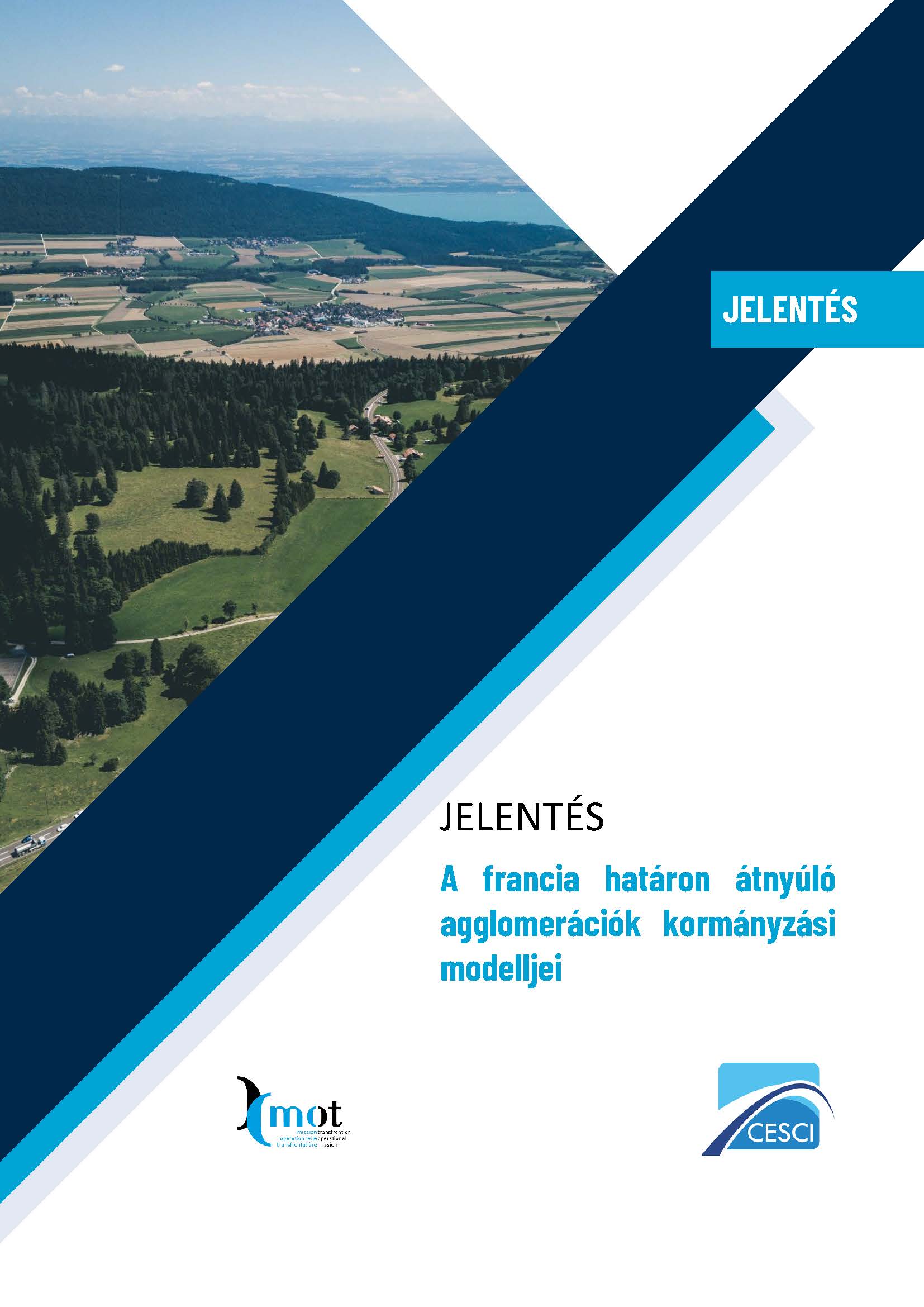 |
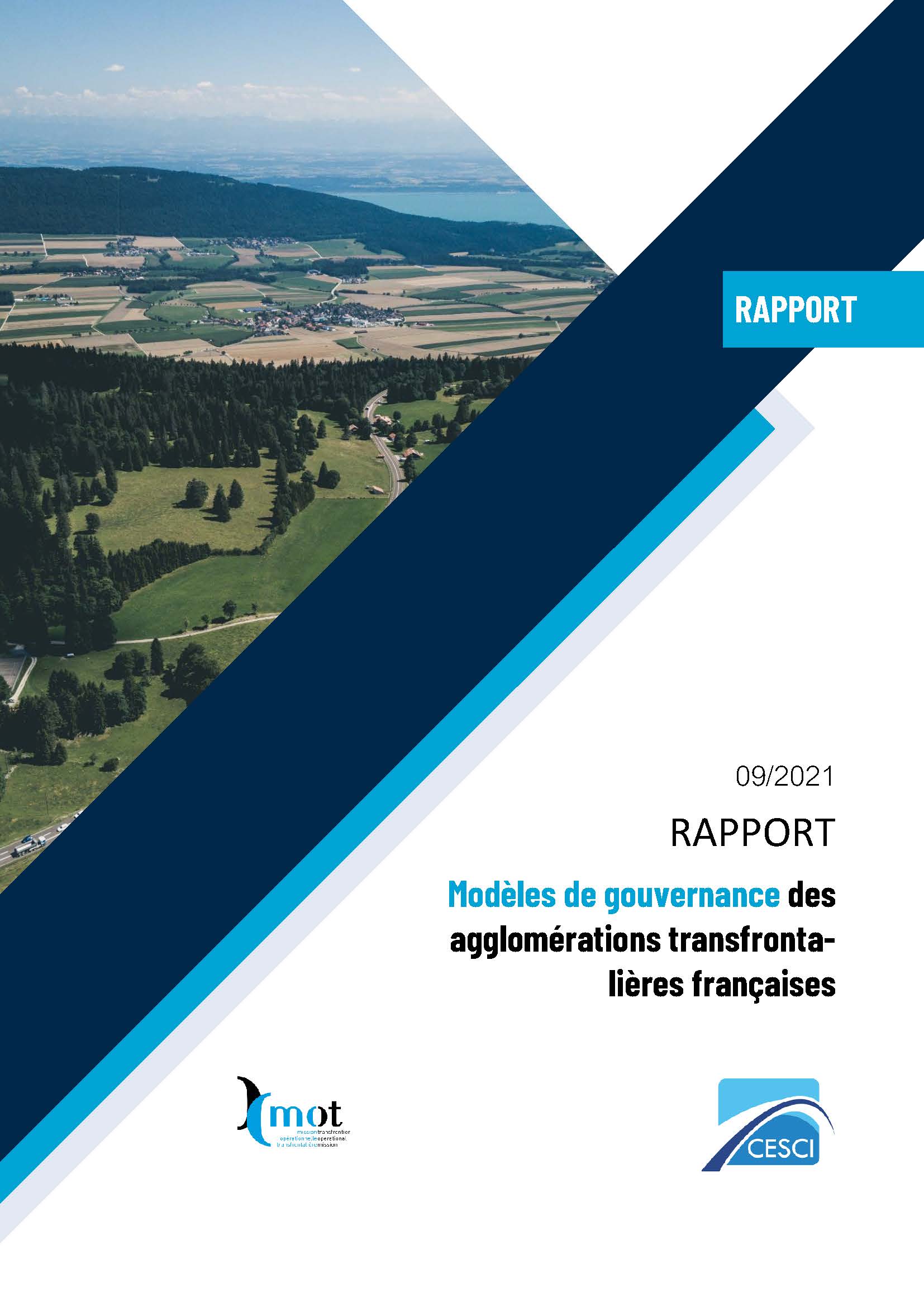 |
As part of the project, building on the French experience, an analysis with three chapters was also carried out. The aim of the studies is to provide ammunition for the institutionalisation of French-style urban cooperation along the Hungarian borders adapted to the Hungarian reality. The vast majority of border towns, despite the EU’s open internal borders, are in a peripheral position, as their organic influencing area and the administrative grid ensured by the national administrative system do not coincide. As they are not able to perform their spatial development functions in a 360 ° circle without hindrance, the operation of the local institutions cannot be ensured economically or they can be provided only within the administrative system of the given country, which is a foreseeable guarantee for gradual decline.
The analysis (in Hungarian) can be downloaded by clicking on the cover.
Legal accessibility among the Visegrad Countries
In 2020 CESCI informed firstly Mr Tibor Bial, the Ambassador of the Czech Republic to Budapest on the proposal regarding the legal accessibility mechanism of the Visegrad Countries. He welcomed the idea and he organised a meeting of the ambassadors of the three countries and the Hungarian Ministry of Foreign Affairs and Trade. Due to the pandemic, the meeting could not take place, it had to be postponed.
Within the framework of the current project, CESCI wanted to promote the process through the organisation of a forum and a conference. The two events obtain timely relevance by the adoption of the ECBM Regulation, and the closure of the B-Solutions project, both designed to take place in the second part of 2021, during the Slovenian presidency. The latter one gives an opportunity to withdraw a kind of balance, but it can also provide important lessons for the functioning of the mechanism to be established between the Visegrad countries.
The forum (in a form of a round-table discussion) is to be held with the participation of the three ambassadors and the representatives of the Hungarian Ministry of Justice and the Ministry of Foreign Affairs and Trade. The invited speakers of the conference are the participants of the European Commission (ECBM Regulation), the Association of European Border Regions (B-Solutions) and the regional actors implementing B-Solutions case studies. The main mission of the conference is to provide ammunition for the development of the Visegrad Four level mechanism.
The results of the event will be summarised in a professional document to be handed to the ministries of justice and foreign affairs and the relevant parliamentary committees of the four countries.
More information on the event’s website
The report on the event can be read here
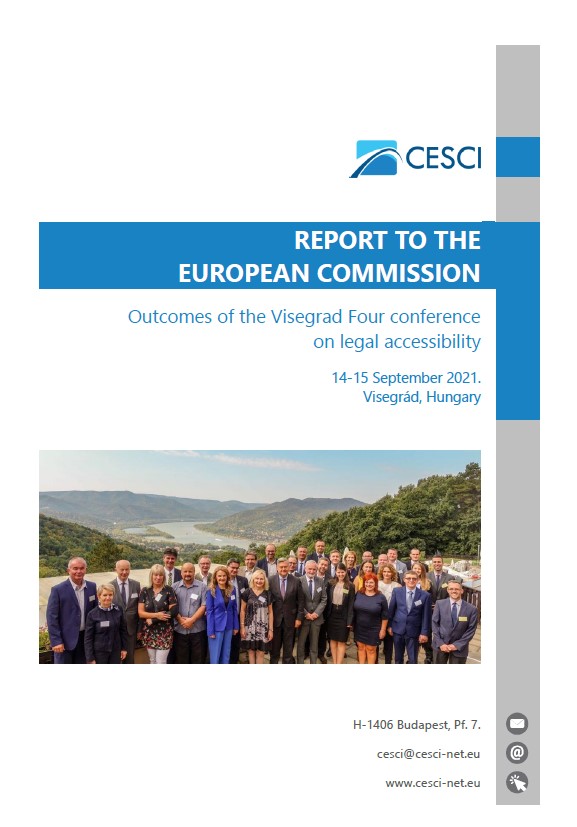
The report prepared for the European Commission can be downloaded by clicking on the cover page:
Final report
The final report of the activities of the sixth milestone of the Legal Accessibility project can be reviewed by clicking on the cover page below:
The project was funded by the Ministry of Justice.
The project documents and the conclusions and recommendations contained therein do not necessarily reflect the official position of the Promoter.