Participation and theoretical-practical presentation at the EUROGEO 2026 Conference
Knowledge sharing + Planning | 2026. June 20.
Knowledge sharing + Planning | 2026. June 20.
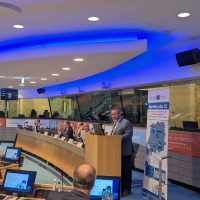
CESCI also participated in the annual conference of the European Association of Geographers (EUROGEO), held between 21 and 24 May 2026 at Fontys University of Applied Sciences in Tilburg, the Netherlands.
This year’s conference theme, Geographies in Flux: Navigating a Shifting World Order, focused on the spatial and geopolitical transformations, environmental crises, and social inequalities that are rapidly reshaping the contemporary world order, while exploring how the tools and approaches of both physical and human geography can contribute to addressing these challenges.
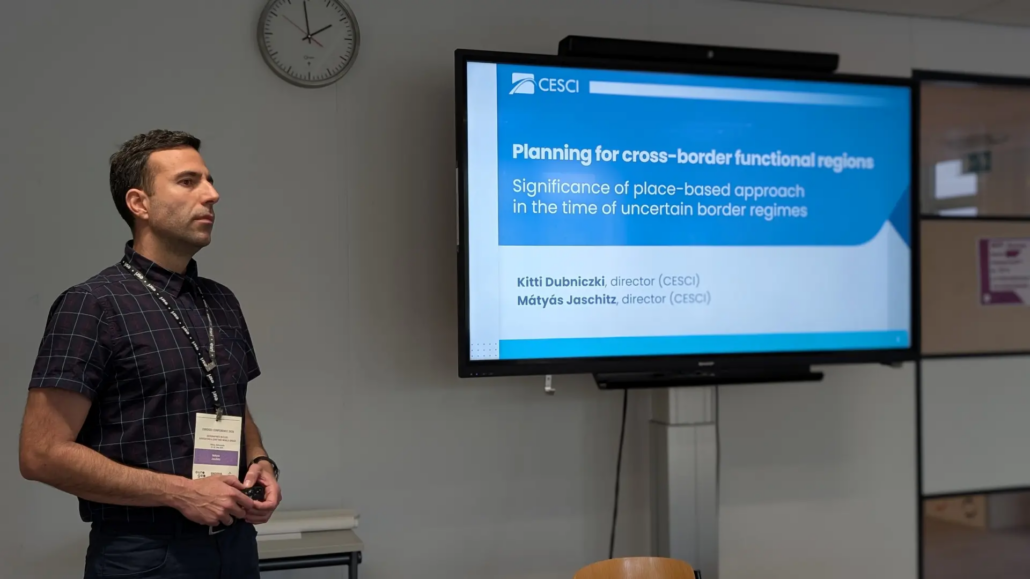
The presentation delivered by CESCI’s experts closely aligned with the conference theme by demonstrating that border regions serve as genuine laboratories of changing spatial realities (geographies in flux). The presentation introduced the organisation’s cohesion-based planning methodology, which is designed to overcome the limitations of rigid national planning systems as well as differences in legal and financial frameworks. Particular emphasis was placed on a case study from the Bodrogköz region, located in the eastern section of the Slovak-Hungarian border area, where the BOTILA EGTC is active. Today, this region represents a geographically and culturally coherent yet historically divided, double peripheral region. The presentation highlighted the outcomes and importance of field research, local consultations, and stakeholder forums. It also demonstrated how the spatial reinterpretation of a cross-border region can support local decision-makers in transforming the challenges associated with borders into opportunities for development.
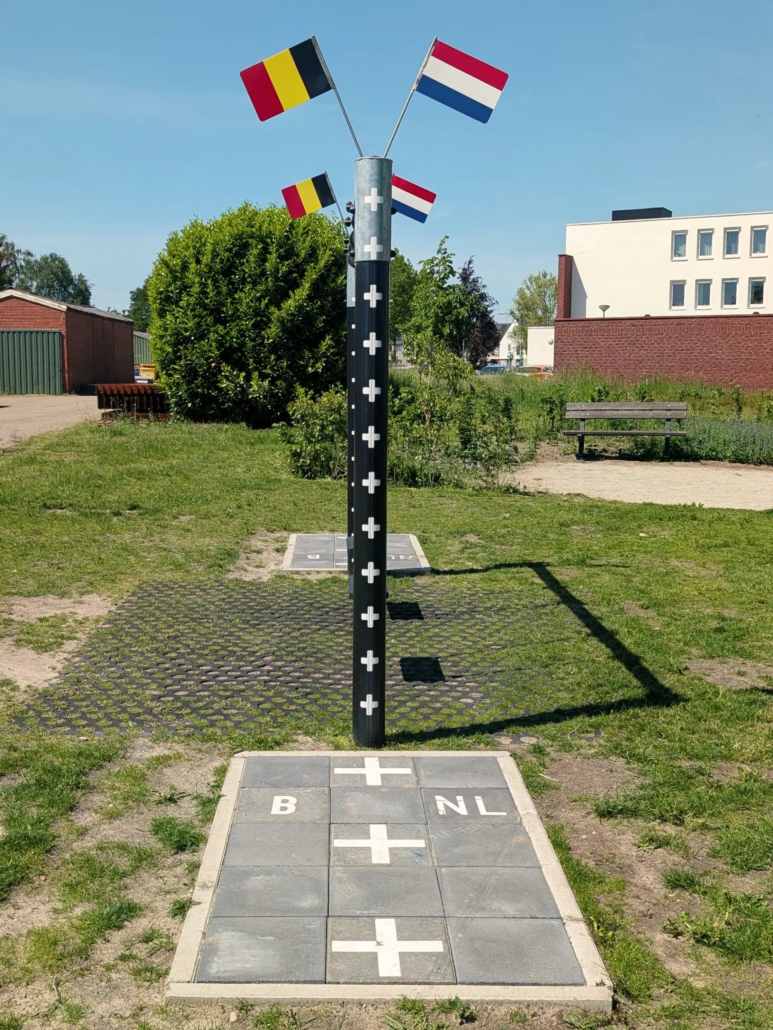
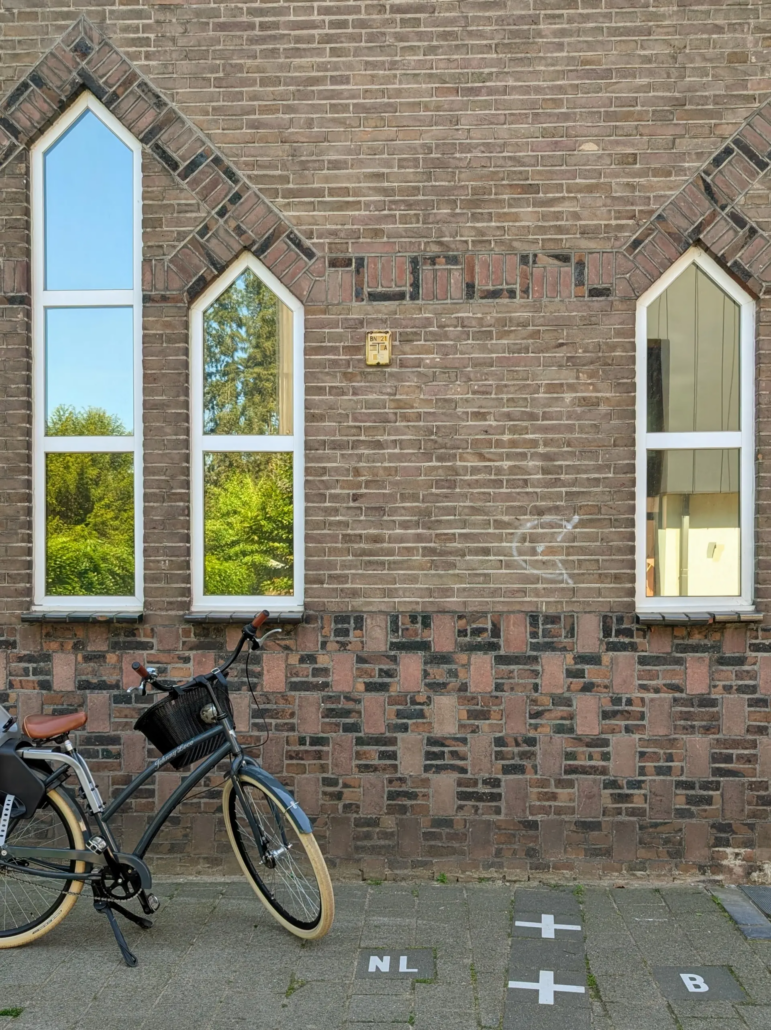
In connection with the conference, CESCI experts also conducted a study visit to the nearby municipalities of Baarle-Nassau and Baarle-Hertog, one of the most remarkable border landscapes in Europe and the world. Situated along the Dutch-Belgian border, this area is famous for its exceptionally complex enclave system, consisting of 30 separate territorial units, including enclaves, exclaves, and sub-enclaves, intricately interwoven like pieces of a puzzle. As a result of complex medieval treaties, the international border literally cuts across streets, shops, and residential buildings. In many cases, the location of a house’s front door determines in which country its residents officially live and pay taxes. The visit provided an excellent practical example of the everyday realities of functional cross-border cooperation and illustrated how state borders have become physically permeable in the core regions of Europe.



 “Do not look at European space […] as if it were covered seamlessly by state...