CESCI’s participation in the World Planning Schools Congress
Knowledge sharing + Planning + Policy-making | 2026. July 16.
Knowledge sharing + Planning + Policy-making | 2026. July 16.
In July 2026, the 6th World Planning Schools Congress (WPSC 2026) was held in Finland, jointly hosted by Helsinki, Espoo, and Tampere. The event was an exceptionally large-scale professional gathering, both in terms of the number of participants (more than 1,500 on-site registered attendees) and the diversity of its programme.
The congress brought together renowned scholars and practitioners from around the world to discuss the latest issues in spatial development and urban planning under the theme “Peripheral Visions.”
Within the rich programme structure, CESCI actively contributed to discussions on two main topics:
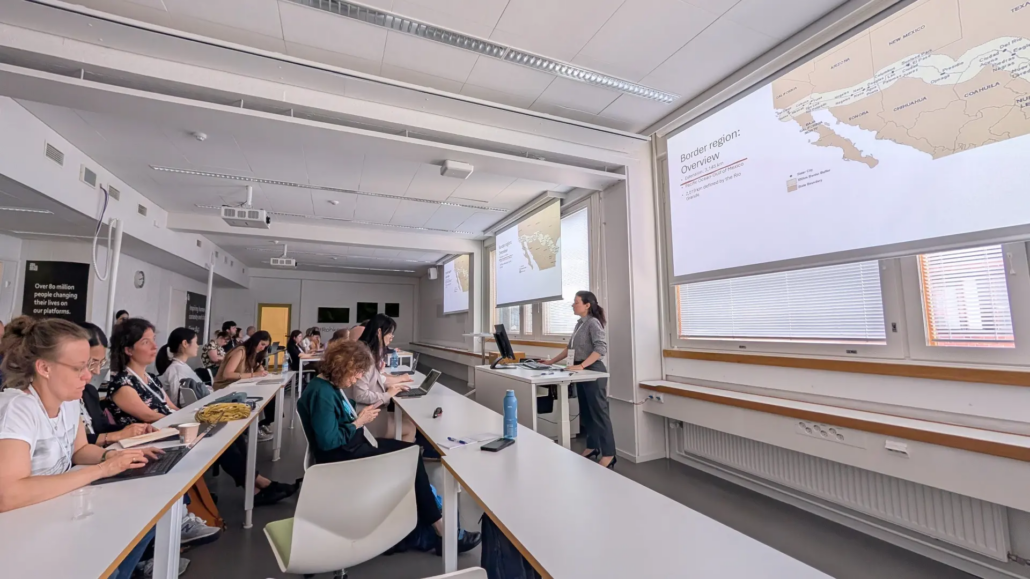
CESCI also presented on the methodology of cross-border planning. As part of the session Track 6: Governance / Borders and cross-border planning, the presentation focused on the limitations of rigid national planning frameworks, which by their very nature often struggle to address cross-border processes. The presentation outlined a flexible, cohesion-based methodology aimed primarily at the spatial reinterpretation of a given border area. The practical application of this methodology was demonstrated through the ongoing territorial strategy development of the BOTILA EGTC operating along the Slovak–Hungarian border. The presentation showed how a border region traditionally perceived as a peripheral area can, through the involvement of local stakeholders, become a shared development potential.
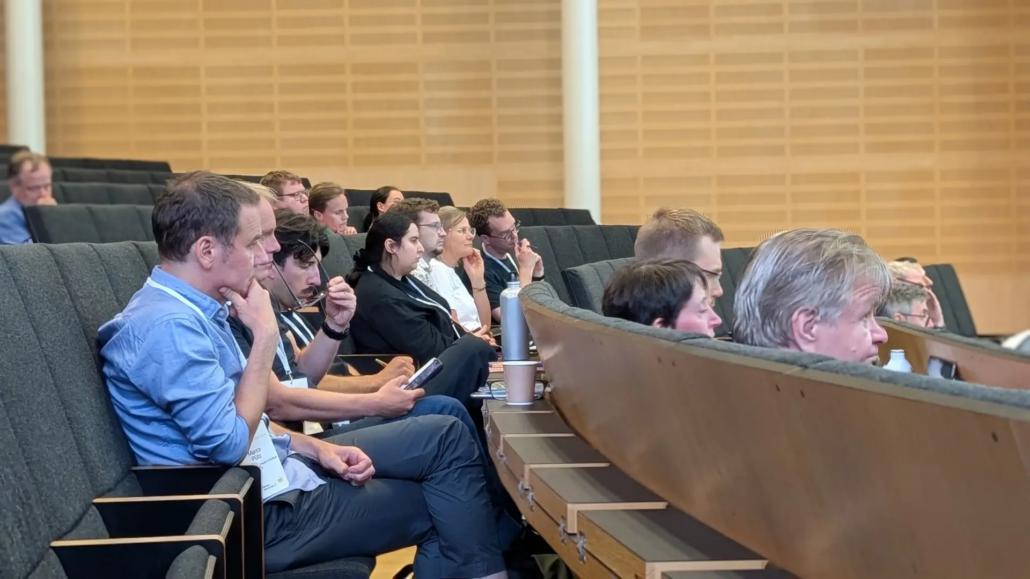
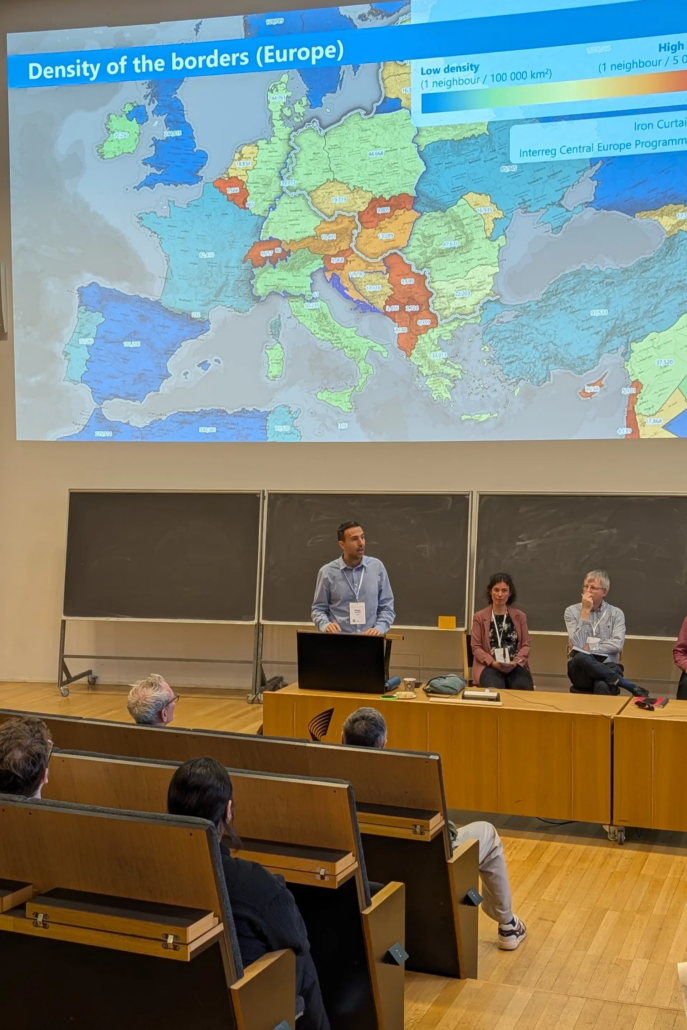
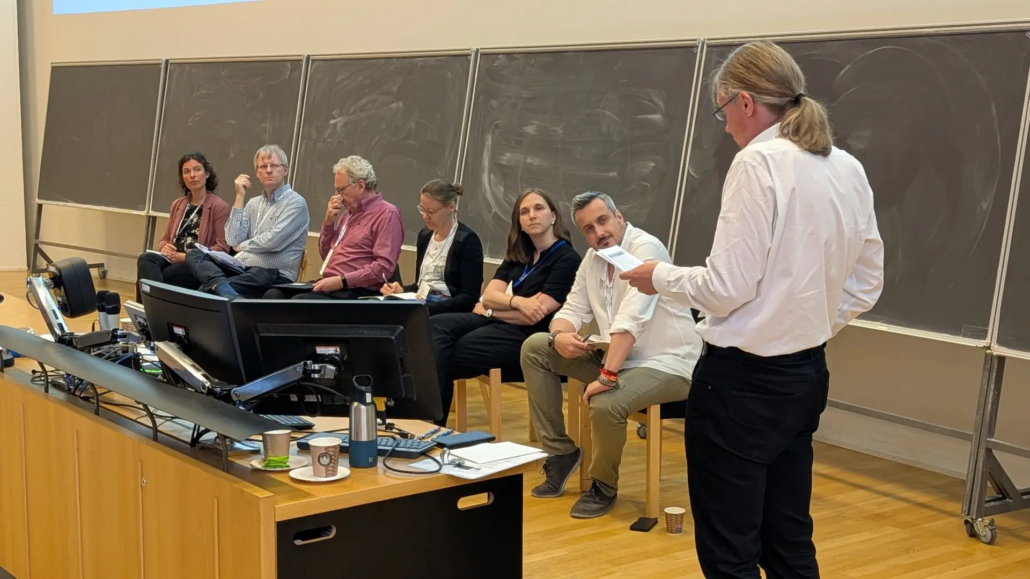
The roundtable discussion entitled “Towards a new European spatial vision: farsighted planning among uncertain circumstances” was organised with the co-organisation and active contribution of CESCI. At the beginning of the session, Mátyás Jaschitz presented the introductory remarks prepared by Gyula Ocskay, after which the roundtable was moderated by Martin Reents (BTU Cottbus-Senftenberg). During the discussion, the invited experts explored specific aspects of territorial vision-building in pairs. The first two speakers, Giancarlo Cotella (Politecnico di Torino) and Eva Purkarthofer (Aalto University), explored the main barriers to integration, including the lack of political commitment and the current challenges facing territorial integration. Subsequently, Franziska Sielker (Vienna University of Technology / TU Wien) and James W. Scott (University of Eastern Finland) shared their perspectives on issues related to policy frameworks and geopolitical aspects. Finally, Olivier Sykes (University of Liverpool) and Beate Caesar (RPTU Kaiserslautern-Landau) discussed potential impacts, the practical application of the vision, and implementation-related considerations.
The panel also addressed in detail how the expected future waves of European Union enlargement – including the potential integration of Ukraine, Moldova, and the Western Balkans – relate to the evolving position of European territorial policy.
The relationship between spatial planning and artificial intelligence also received particular attention at the congress. Most experts agreed that, although AI is becoming increasingly capable of conducting sophisticated statistical analyses and forecasting development trends, it cannot fully replace the human dimension of planning – including personal engagement with local communities and the qualitative value of fieldwork. This duality, namely the balance between digital tools and participatory planning, emerged as a recurring dilemma across several sessions.


 Data access and cross-border connections – New publication by the European...