After 20 Years: The Annual Meeting of the European Cross-Border Platform in Light of the EGTC Regulation
Institutional development + Policy-making | 2026. June 26.
Institutional development + Policy-making | 2026. June 26.
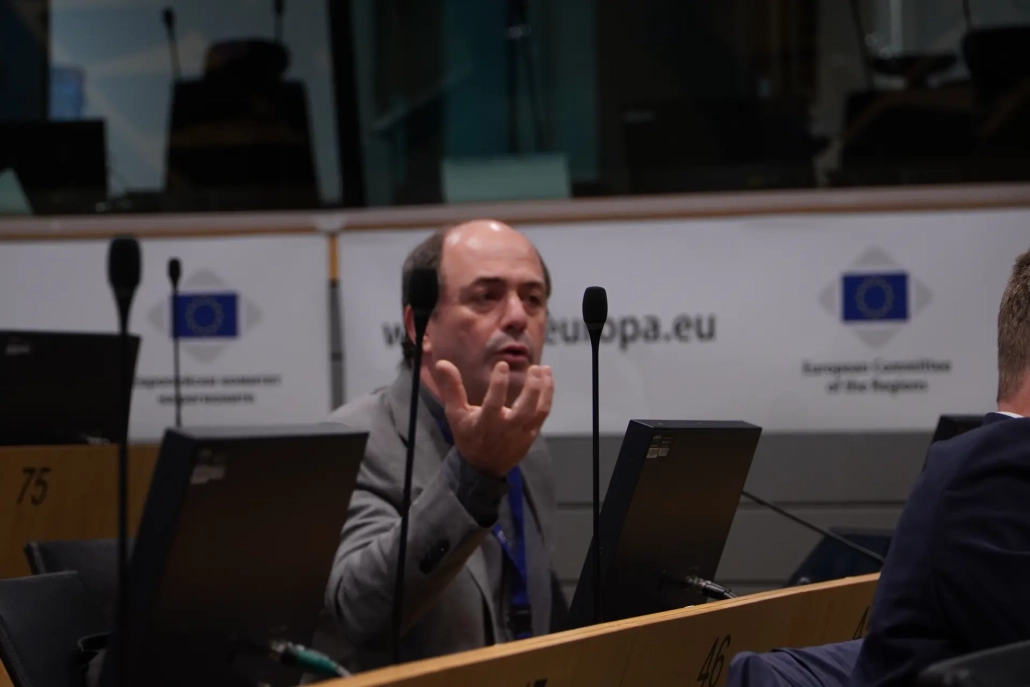
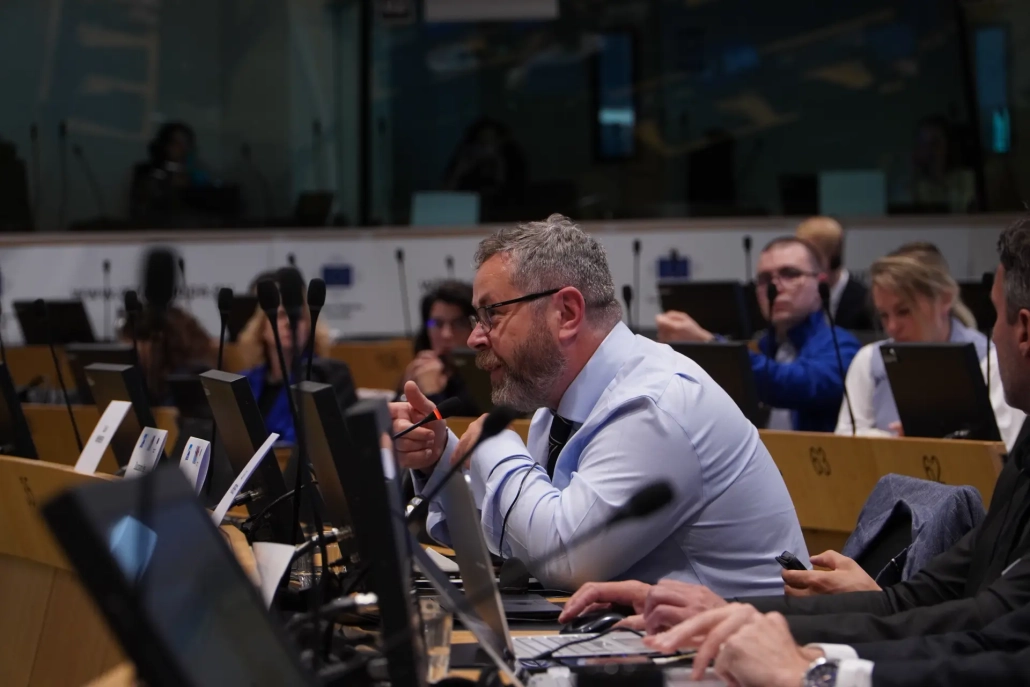
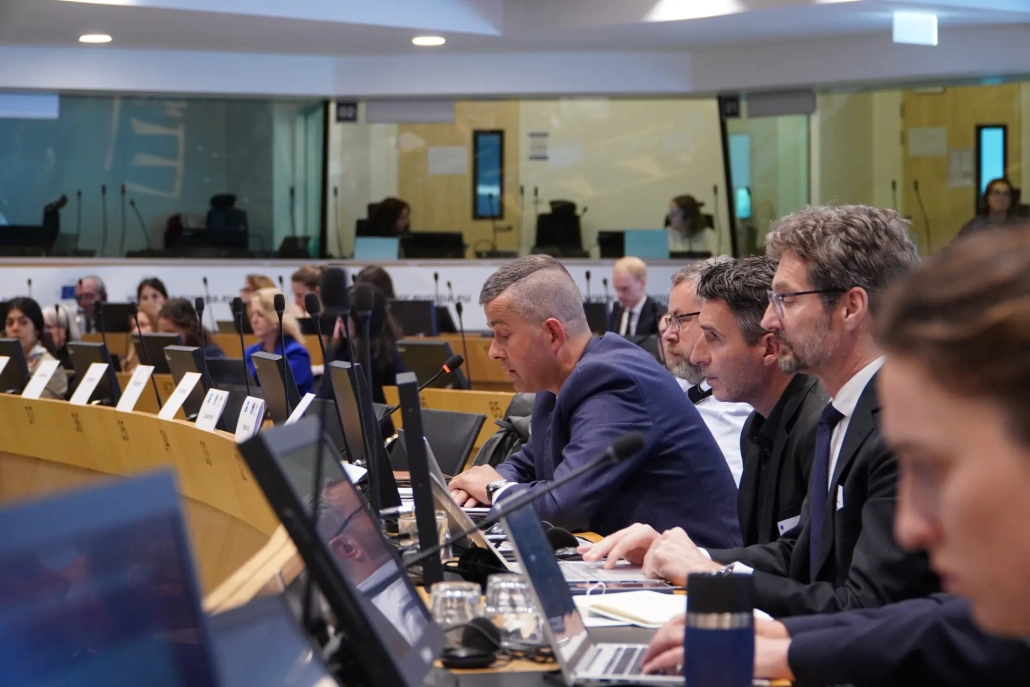
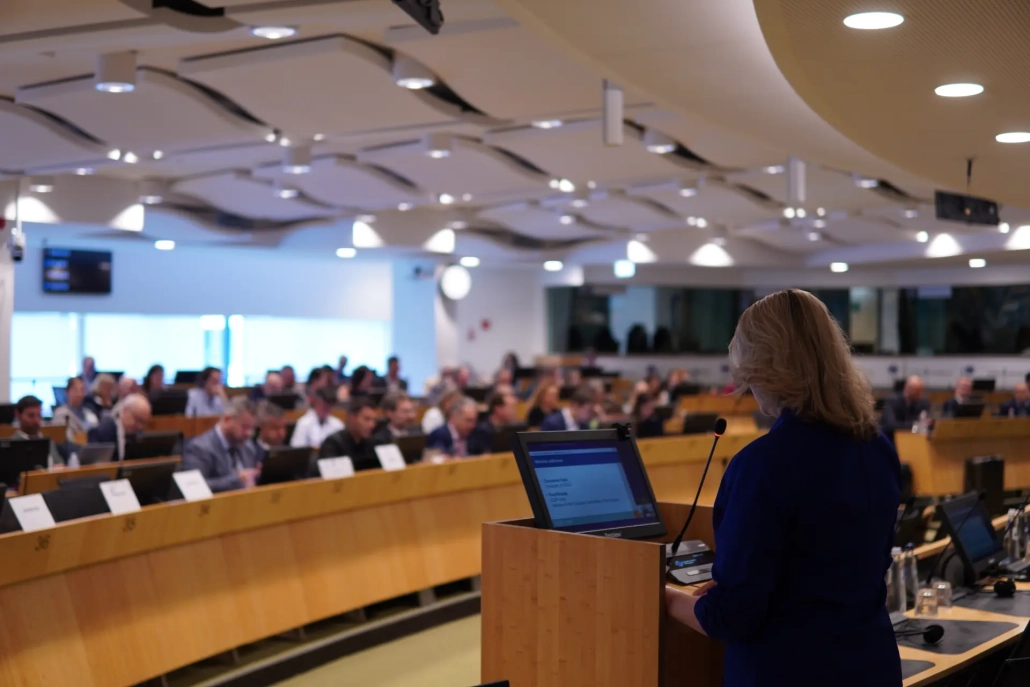
The European Cross-Border Platform (ECBP) held its annual meeting on 10 and 11 June 2026 in Brussels, in the premises of the Committee of the Regions (CoR). The meeting was co-organised by the CoR and the Central European Service for Cross-Border Initiatives (CESCI), and it mainly focused on topics relevant to the European Groupings of Territorial Cooperation (EGTC), celebrating the 20th anniversary of the EGTC Regulation.
The European Cross-Border Platform, which succeeded the EGTC Platform established by the CoR in 2011, aims to bring together as many cross-border actors as possible. It was launched in 2024 at the Art of Cooperation Conference in Budapest. Its steering committee includes representatives of the CoR, the Association of European Border Regions (AEBR), the Mission Opérationnelle Transfrontalière (MOT) and CESCI, who co-organise the annual events according to a rotating principle.
This year’s annual meeting of the platform started in the morning of 10 June with two side events: the closing conferences of the Cross-Border Data Collection 2.0 and the BorderLabs CE projects. (For more information, visit the projects’ websites!)
The afternoon session was dedicated to topics with high relevance for the groupings. After the welcoming speech of Mr Pavel Branda, Chair of the ECBP, Ms Katalin Fekete (CESCI) summarised the results of the online survey addressing the EGTCs to get to know their preferences and needs. Besides the topic of the status of cross-border workers raised during the previous meeting in Gorizia, two topics have gained the highest support, i.e. access to funding and visibility.
Accordingly, the EGTC workshop continued with a presentation held by Xavier Connill, Director of the Cerdanya Hospital EGTC, who spoke about the EuroEGTC project addressing the topic of cross-border workers, being implemented by three groupings at the French-Spanish border. One of the main outcomes of the ECBP annual meeting was the establishment of a working group dealing with the same issue, which was announced by Pavel Branda in his closing remarks.
The panel on the question of access to funding beyond the Interreg world included the testimonies on diversification of resources on behalf of the EGTC EURegio Meuse-Rhine (Michael Dejozé) and the Interregional Alliance for the Rhine Alpine Corridor EGTC (Marie-Eve Reinert), and the policy-side approach by the DG REGIO (Nathalie Verschelde) and Interact (Ivana Lazič).
Regarding visibility, the representatives of three EGTCs (Xavier Bernard-Sans, Secretary General of the EGTC Euroregion Pyrenees Mediterranean, Bernd Finger, EUCOR EGTC and Romina Kocina, EGTC GO) were accompanied by Annika Jaansoo (University of Twente) and Sabine Zillmer (Spatial Foresight).
In the final panel, Gabriella Saputelli (ISSIRFA) presented the recently published analysis of the groupings having Italian members. Raffaele Viaggi (MOT) spoke about the ongoing project targeting the collection of data and information about the EGTCs around France. Finally, Kitti Dubniczki (CESCI) presented the online EGTC Monitor, providing comprehensive information on the operation of the Hungary-related EGTCs.
The first day ended with the EGTC Award Ceremony and the subsequent reception. In 2026, the award was handed over by Pavel Branda to the representatives of the EGTC Senza Confini (IT/AT) for facilitating cross-border rescue through enabling automated direction of 112 calls in the border area. The Honorary Mention went to the Euroregion Nouvelle Aquitaine – Euskadi – Navarra for facilitating access of cross-border workers to information and assistance.

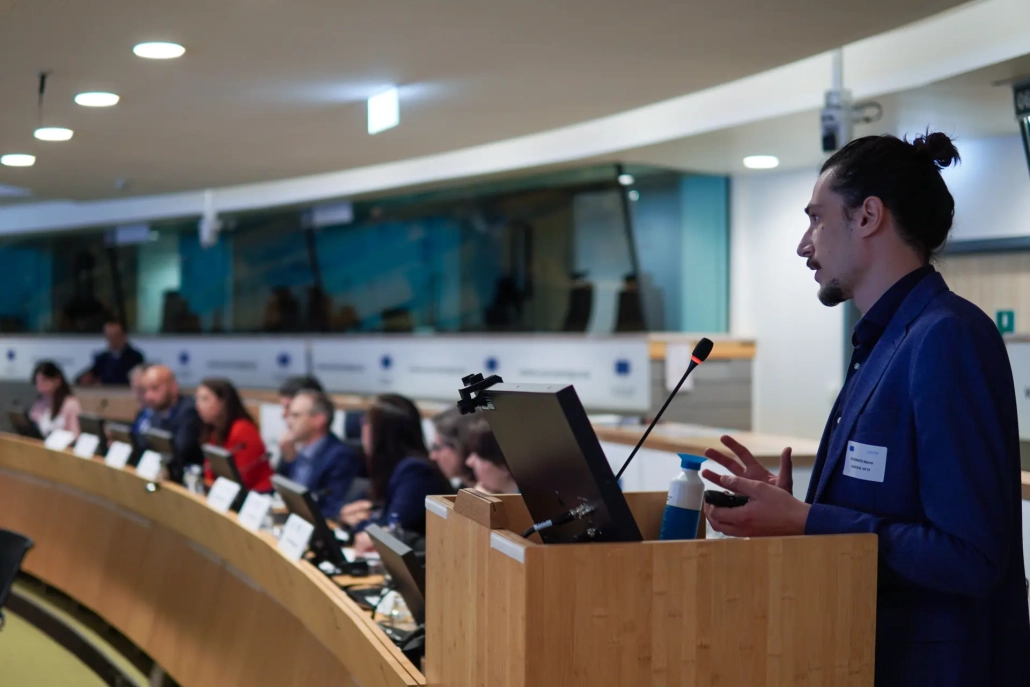
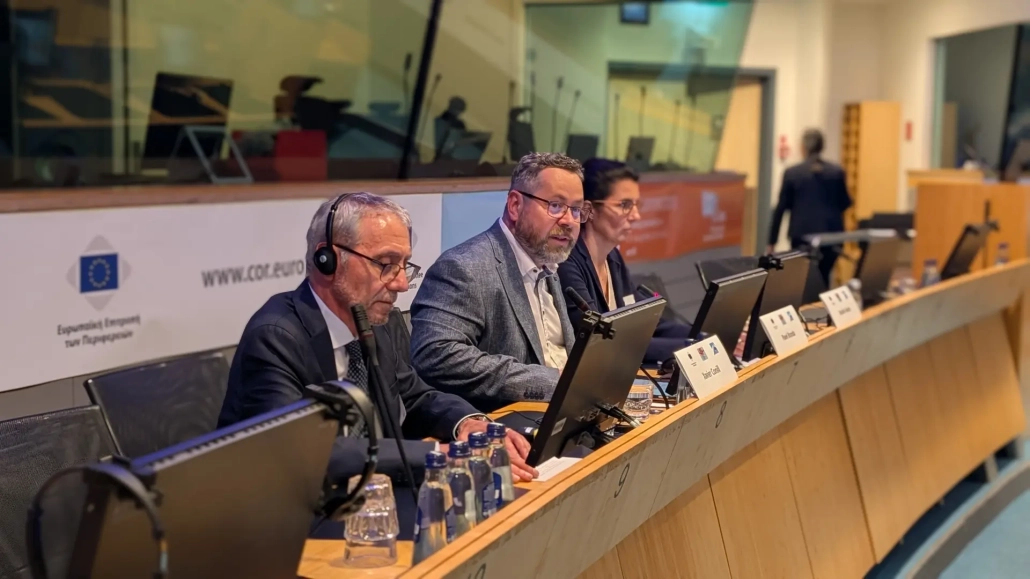

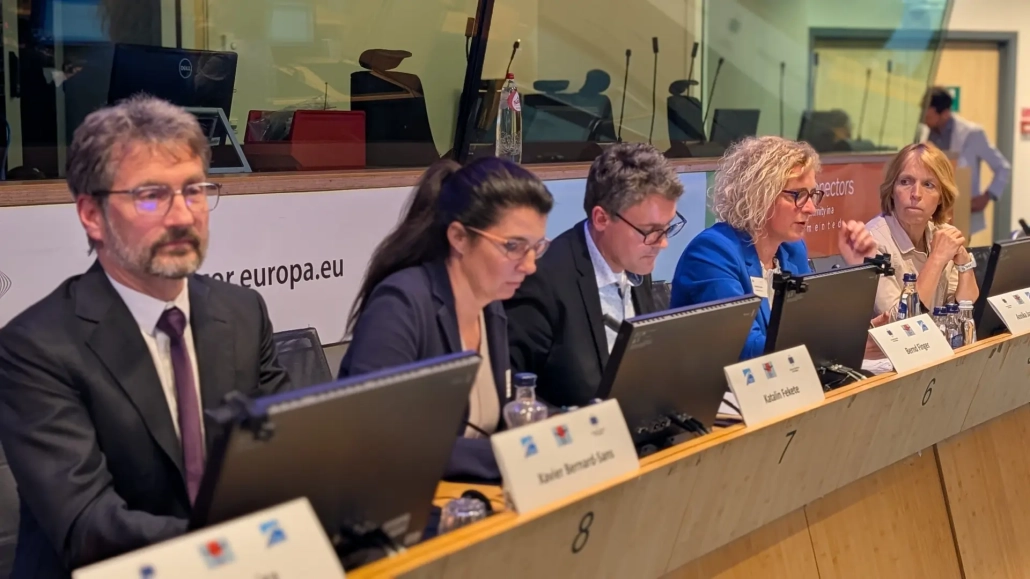
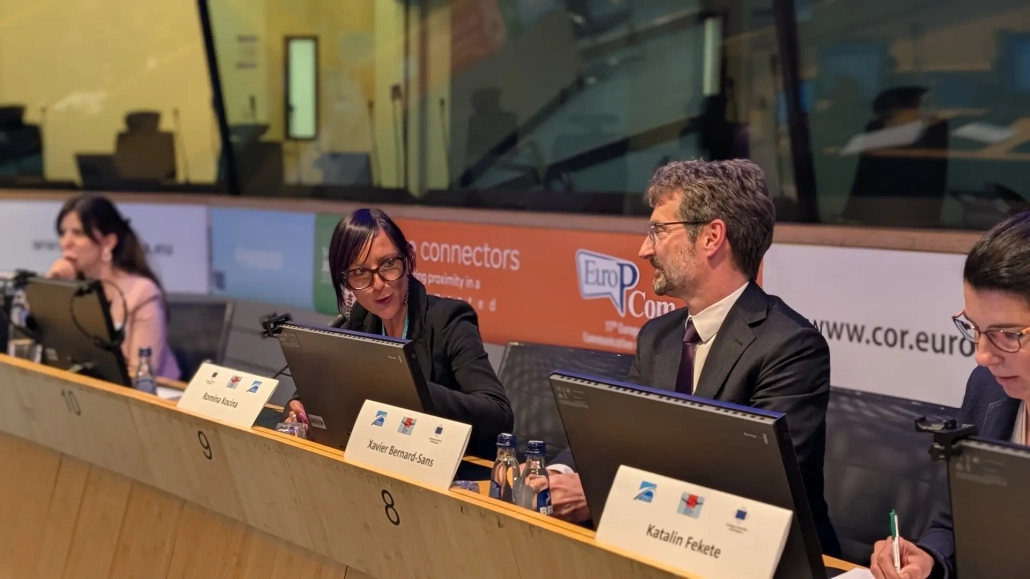
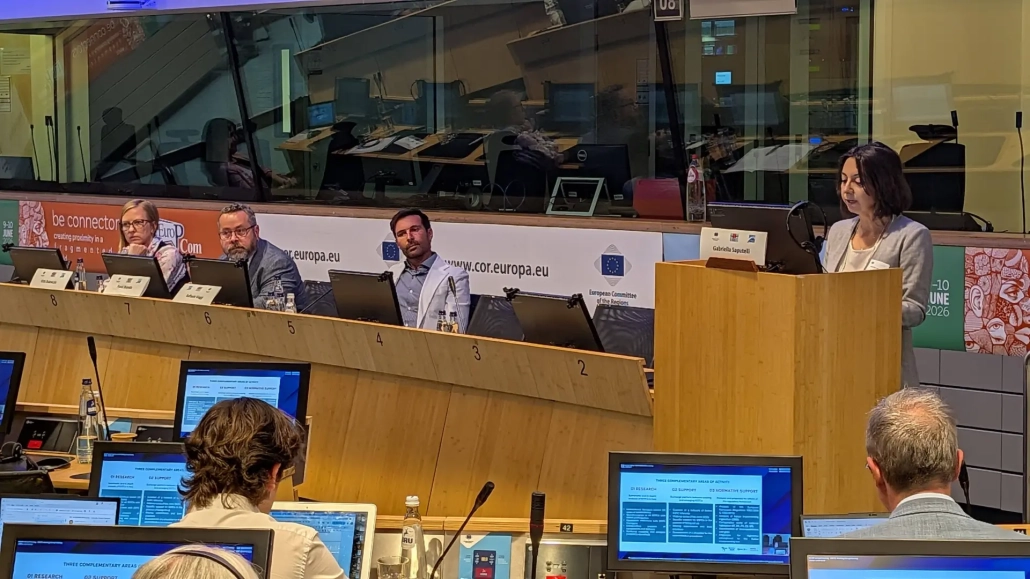

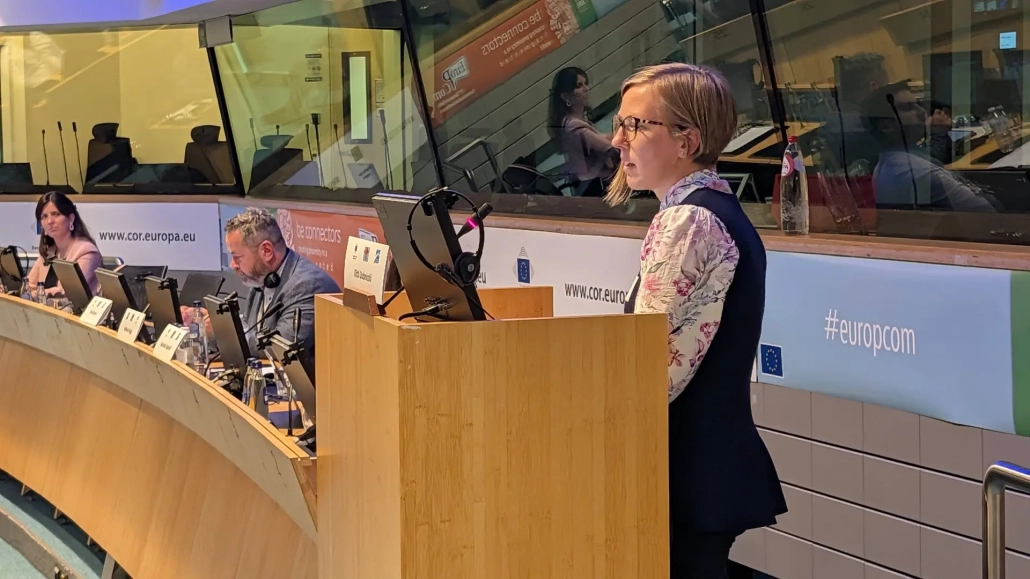
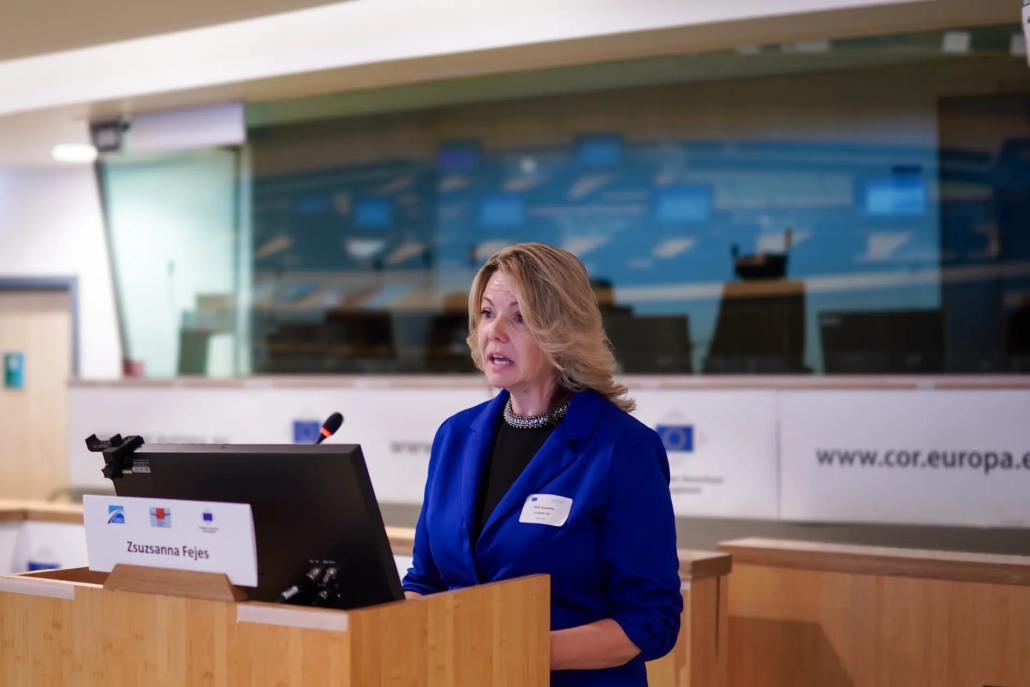
The second day started with the greetings delivered by Zsuzsanna Fejes, President of CESCI, Pavel Branda, and (as a video message) by Raffaele Fitto, Executive Vice-President of the Commission.
The first panel focused on the future of the Interreg programme. The European perspective was ensured through the video message of Marcos Ros Sempere, the online contributions of Pascal Arimont (the two co-rapporteurs on Interreg of the European Parliament) and Hugo Sobral, Deputy Director-General of the DG REGIO. The national aspects were highlighted by Nikoletta Horváth, representing the Hungarian Managing Authority, while the regions’ voice was transferred by Pablo Hurtado Pardo, Director General of the Regional Government of Extremadura, Spain.
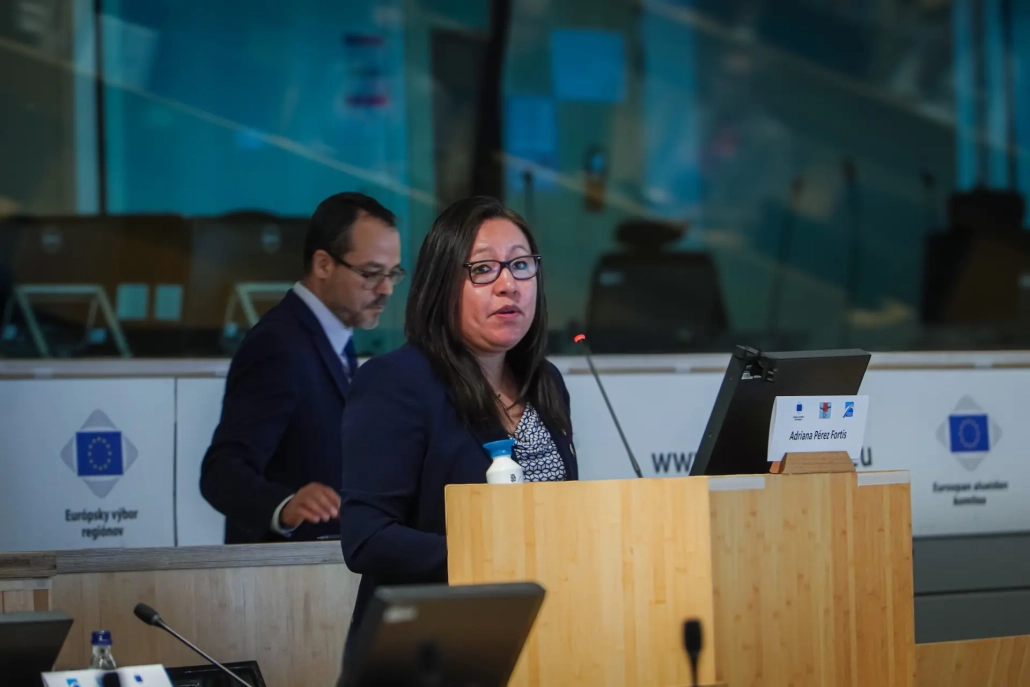
In the second panel, networks supporting cross-border cooperation and integration introduced their activities, enabling networking with cross-border structures that are rather missing information on these initiatives. Marco di Donato (Policy and Project Manager) and Adriana Peres Fortis (Project Manager of the CBI Groningen, member of the network) introduced the EUREGHA, uniting regional authorities working for cross-border health. Ms Peres Fortis also announced the organisation of the European Health Summit in 2029, where she invited the ECBP members.
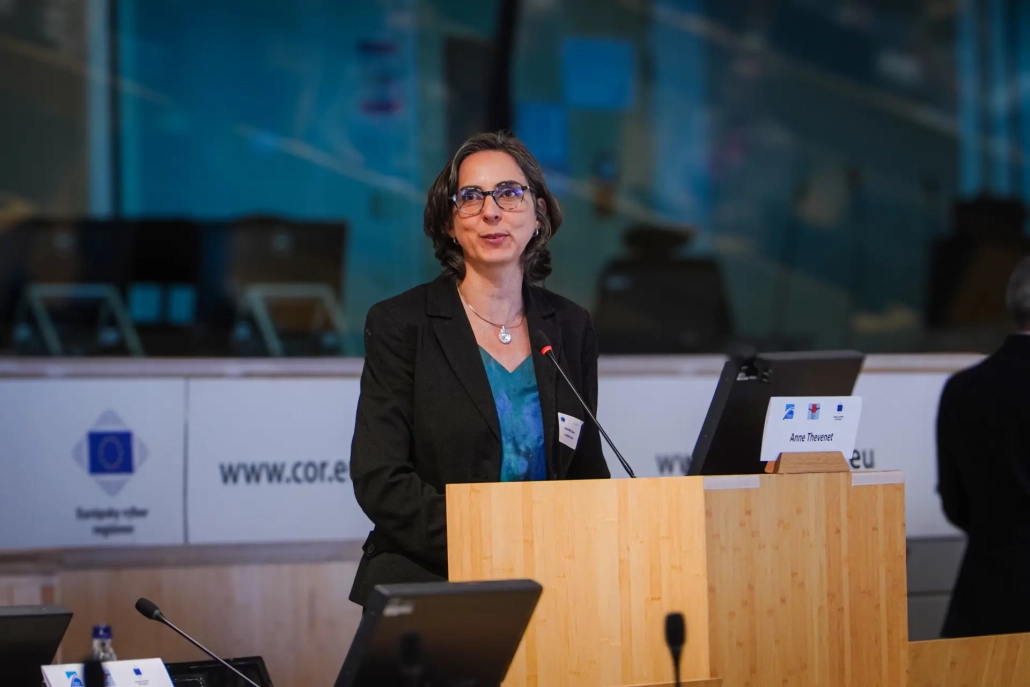
By referring to projects implemented by the members of the networks in recent years, Anne Thevenet, Director of the Euro-Institut of Kehl, presented the history and the activities of the Transfrontier Euro-Institute Network (TEIN), providing scientific evidence for cross-border cooperation.
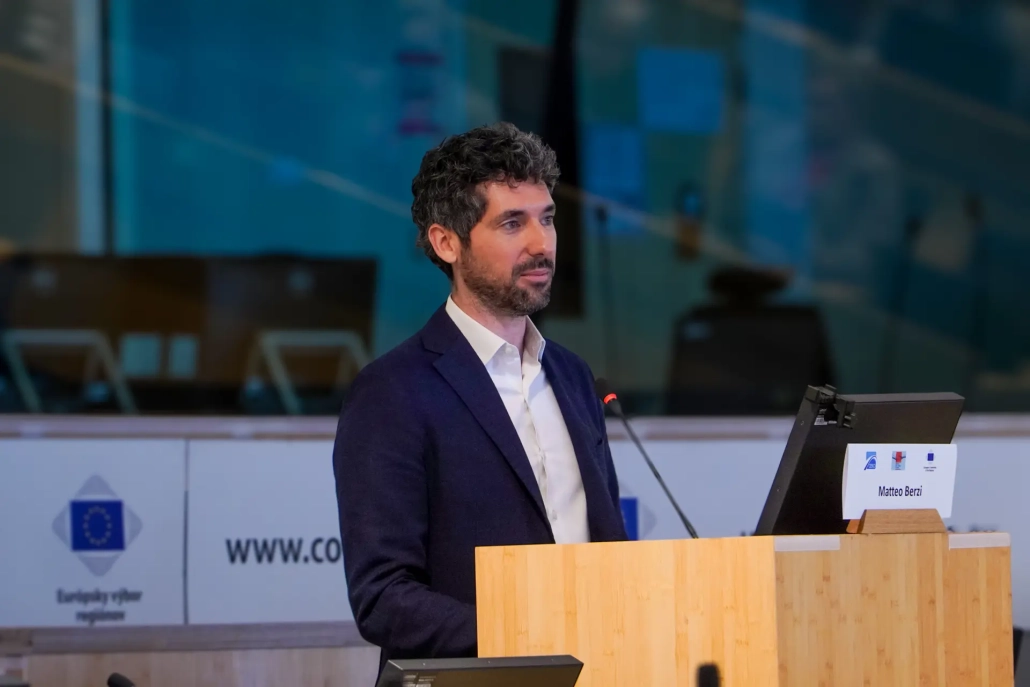
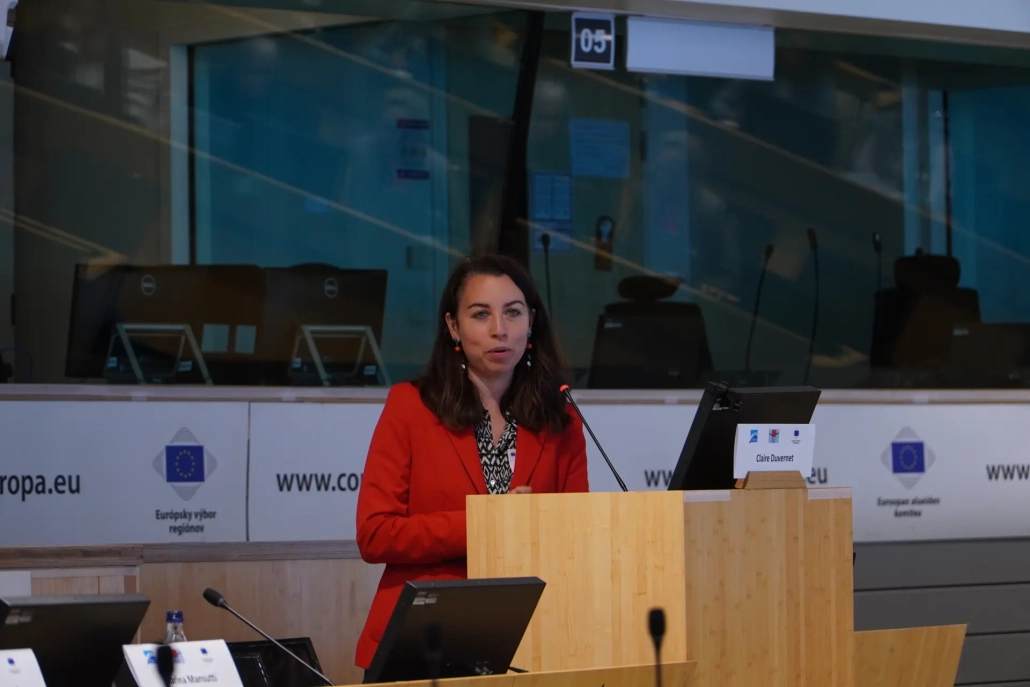
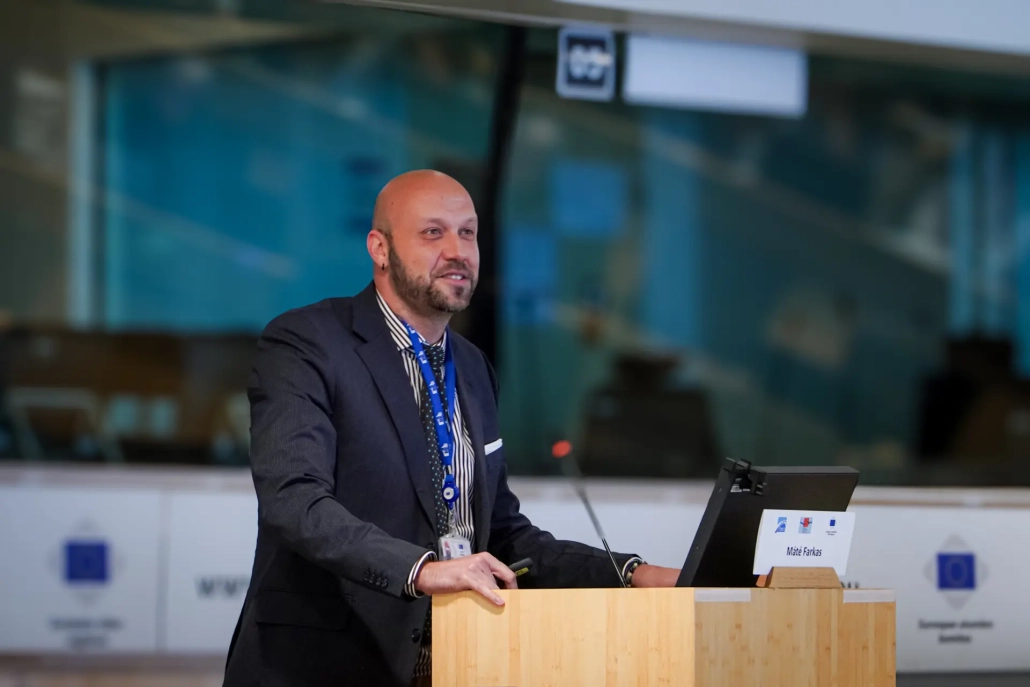
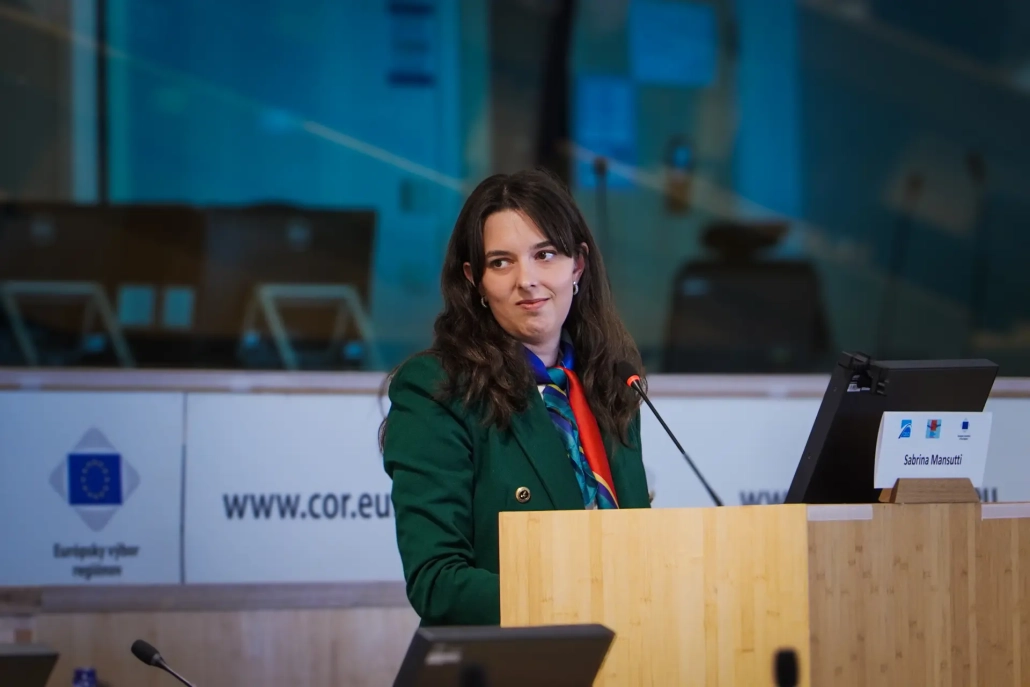
Four further presentations popularised initiatives working with cross-border data. Matteo Berzi (Project Manager of the Joint Research Centre) spoke about the ACROSS portal, providing comprehensive information on cross-border projects, structures, obstacles and services in Europe. Claire Duvernet (BBSR) presented the European Cross-Border Monitoring Network, facilitating the cross-border sharing of data between Germany and its neighbours. Máté Farkas (EUROSTAT) introduced the subgroup of experts dealing with cross-border functional urban areas. Sabrina Mansutti (ÖIR) summarised the results of the Cross-Border Data Collection 2.0 project implemented in close cooperation with the national statistical offices.
The third panel targeted the recently re-established border checks in 10 countries, in light of the amended Schengen Borders Code. Jorrit Rijpma (DG HOME) gave an overview of the Code and its consequences for the practice of border checks. Martin Unfried (ITEM, Maastricht University) presented the main outcomes of a territorial impact assessment project of 2025 on temporary border checks along seven Schengen internal borders. Arola Urdangarin Ferreira, representing the Basque Government, spoke about the effects of controls at the French-Spanish border, which was reflected by Valentin Furnari on behalf of the French Ministry of the Interior. Matteo Bianchi, Rapporteur on the territorial dimension of the EU – Switzerland relationship, transferred the messages of the Committee of the Regions.
The event was closed by Pavel Branda, launching the ECBP working group on the status of cross-border workers, as well as by Gyula Ocskay (CESCI), who gave over the torch to Jean Peyrony (MOT), the co-organiser of the 2027 edition of the ECBP annual event.
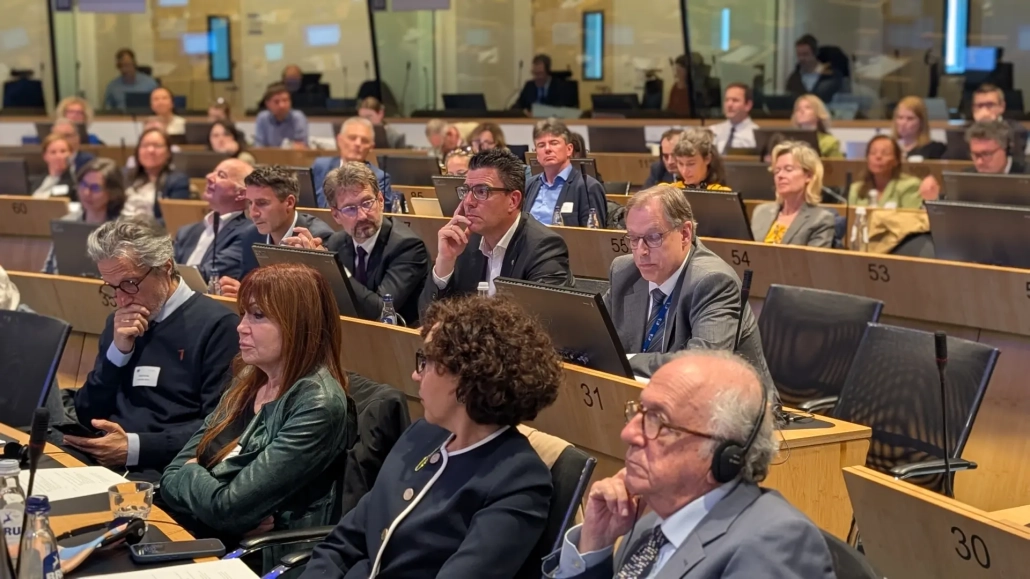
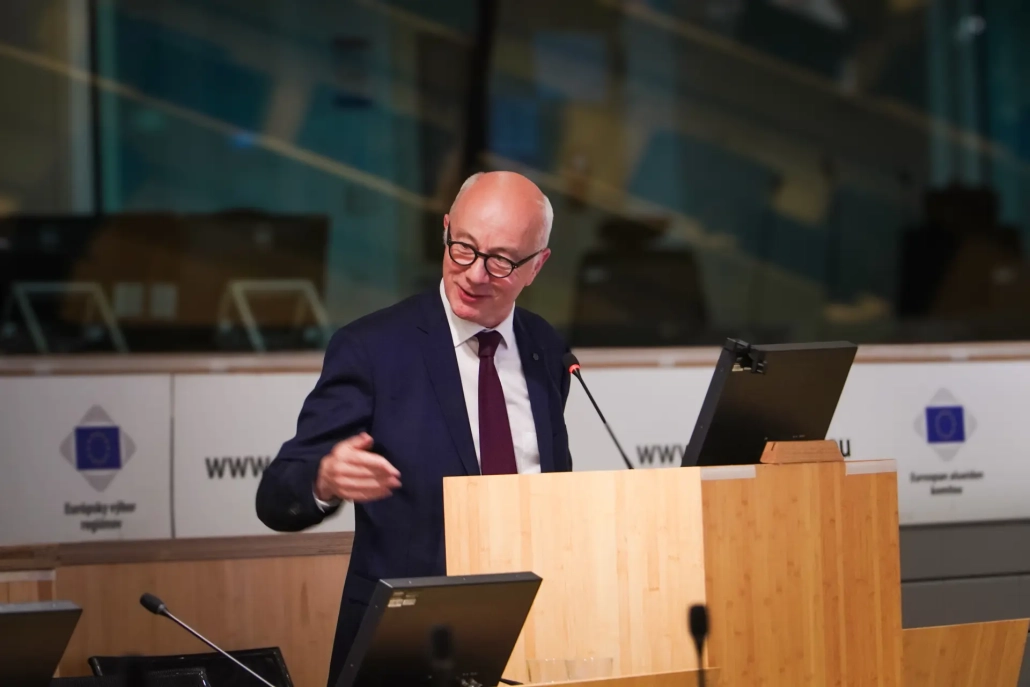
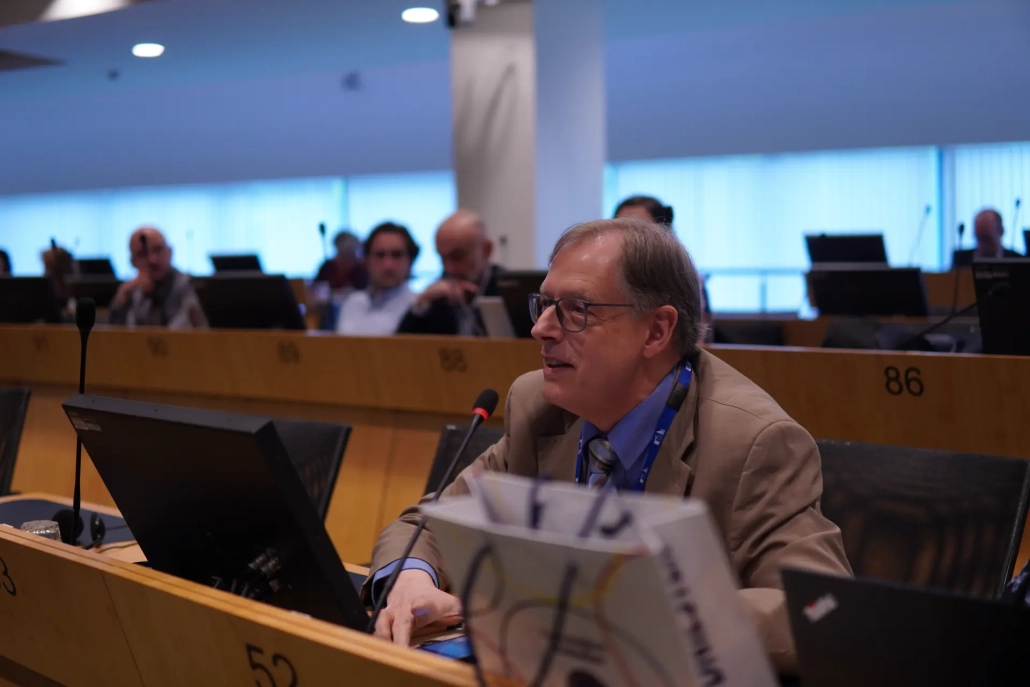
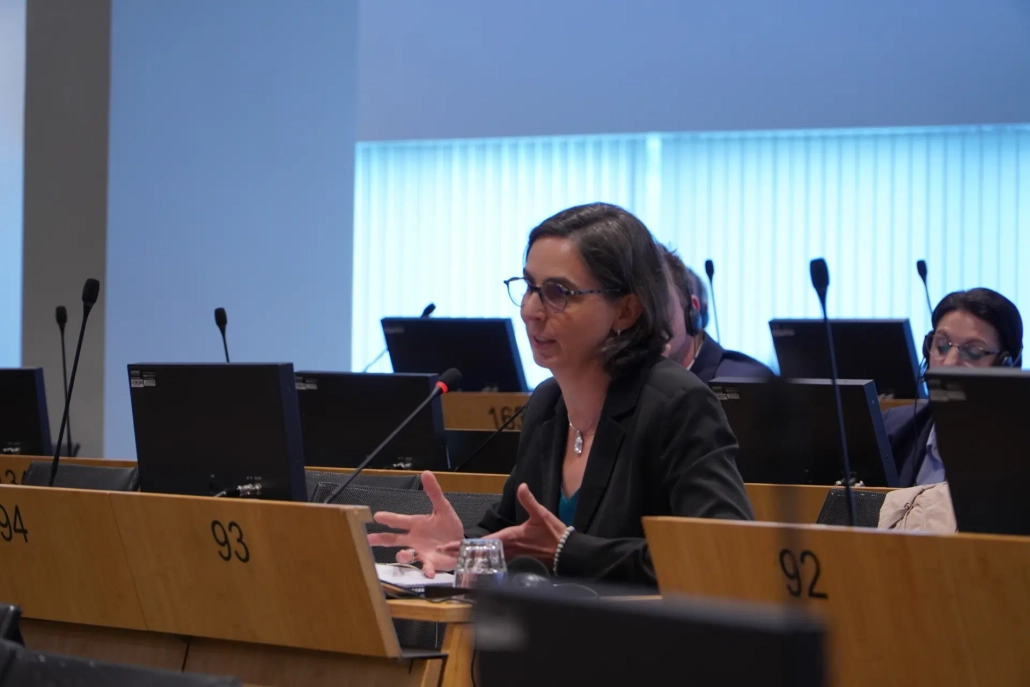

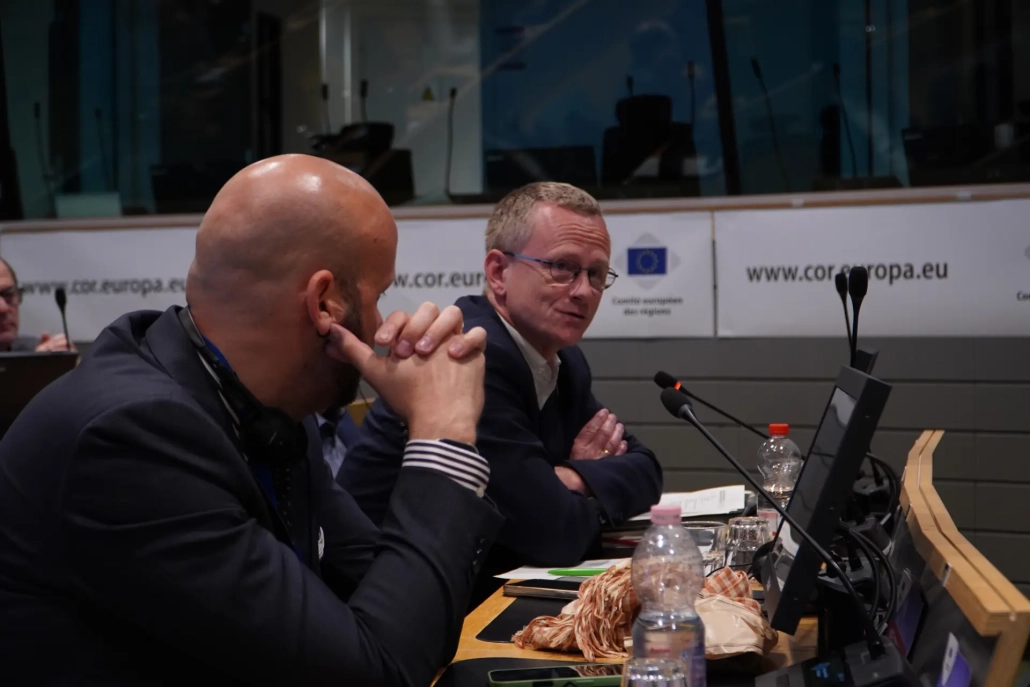
At the 20th anniversary of the adoption of the EGTC Regulation (2006), special attention was given to the specific role and added value of the tool in territorial cooperation. As Annika Jaansoo highlighted, EGTCs make the EU integration tangible. Romina Cocina outlined the embeddedness of the groupings in the territory they represent, which enables them to both provide evidence about and strategic aims for the cross-border region (observatory and laboratory), and to play an intermediary role between the different level authorities.
When assessing the tool in the context of the Euregion Maas-Rhine, Martin Unfried identified three dimensions where added value is expected from the application of the instrument. The political dimension is clearly justified as the EGTC has a mandate to represent the territory. Equally, the grouping has an advantage in terms of administrative burdens, as, for instance, they can much more easily hire employees across the border than domestic institutions. However, they consider the financial added value of the EGTCs not so strong, which might generate path dependency bound to the Interreg calls. At the same time, as several examples demonstrated, the groupings can diversify their funding involving direct EU funds like Horizon, LIFE, CERV, or even Connecting Europe Facility. The Euregio Maas-Rhine itself endeavours to establish independent institutions and structures facilitating cross-border integration through its own fundraising activities and involving the relevant national authorities. By doing so, the EGTC can become a catalyst for cross-border institutionalisation beyond the Interreg scheme.
It is a recurrent claim of the EGTCs to be acknowledged by the national and EU-level authorities. “We are not existing but only here” – as Xavier Bernard-Sans stipulated, referring to the ECBP. He also mentioned that the instrument is hardly identifiable to the population of the regions they represent. Accordingly, they amended the name of the EGTC, including the term ‘Euroregion’. This statement was echoed by several speakers: it is easier to enumerate the activities realised than to define what an EGTC is. Ivana Lazič referred to this phenomenon by alluding to the innovative character of the tool, which has not been followed by the funding instruments. As Gyula Ocskay reflected, the groupings are not recognised as cross-border European entities but as domestic institutions based on the country of registration, which, according to Dirk Peters, the author of the Regulation, is not acceptable, as the groupings must have “the most extensive legal capacity” in each affected country. Michael Dejozé represents the same position in every case and every project: the EGTC Euregion Maas-Rhine is a body working for three countries, and the authorities must acknowledge it as an independent legal entity in all of these countries. At the same time, during the discussion this approach proved to be exceptional, not the rule across Europe.
The problems were grouped by Nathalie Verschelde under three categories: a) ignorance, when the authorities are not aware of the existence of the groupings; b) resistance, when they are, but they don’t want to involve them in decision-making; and c) IT-reliance, referring to the barriers generated by the domestically designed IT platforms, neglecting potential stakeholders based in another country. She encouraged the platform members to organise themselves, to collect evidence to underline the needs, and to have their voice towards the national and EU institutions. Once they are present, the Commission can support their efforts. The biggest challenge for the groupings and other cross-border structures is to reach beyond the box and deliver their messages to “outsiders”. As Dirk Peters insisted, “We are always sitting among friends, but we have to talk to others”.
Consequently, both the EGTCs and the Platform need to improve their visibility through effective communication. Sabine Zillmer and Romina Cocina agreed on the appropriate targeting: “Who do we want to address and with which messages?” In this context, the communication towards the residents increases credibility, while messages targeting the national and EU institutions may improve the acknowledgement of the EGTCs as effective and considerable structures. For this, the groupings need to develop their networks within their regions. Xavier Bernard-Sans proposed to get in contact with the universities, the entrepreneurs, the decision-makers, and, first and foremost, with the youth.
The communication with the EU institutions was one of the key messages of Pascal Arimont as well, in the context of the new Interreg (ERDF – CF) Regulation. Among others, the voice of the regions is valorised by the centralising tendencies of the programming process, both at the national and EU levels. To compensate for these tendencies, the regional actors should be given more competences. As Nikoletta Horváth exemplified, in the Hungary-Slovak Interreg CBC Programme, EGTCs manage the small project fund, implement complex project packages (called ‘territorial action plans’), and are involved in the design and the implementation of the programme. She also emphasised that Interreg is much more than a programme: it is a practical and visible integration tool, where the trust factor has a crucial role. Accordingly, she alluded with criticism to the Performance Framework Regulation, which neglects this aspect when defining performance through tangible results. Martín Guillermo-Ramírez (AEBR) also outlined the role of Interreg in dismantling mental barriers. When referring to the point, Pascal Arimont mentioned that the European Parliament would like to introduce a more flexible approach for Interreg. At the same time, as Hugo Sobral pointed out, Interreg also must contribute to the achievement of the EU-level objectives, and it must be made measurable. He also insisted on the transition from a project-based logic to a functional approach, which can generate evident cross-border integration.
As several speakers have put it, the current border control practices of some Schengen Member States significantly hinder stronger integration. Despite the reintroduction of border checks being the last resort according to the Schengen Borders Code, six governments have been keeping border checks in effect since 2015, transferring temporary checks to a new normality. As Arola Urdangarin Ferreira warned, national security must not be positioned against freedom of movement. According to Matteo Bianchi, free movement improves the living conditions for millions. At the same time, the security concerns of the citizens push the national governments to tighten the controls along the state borders. Mr Bianchi proposed to improve the border control along the external Schengen borders: “The stricter the control is at the external borders, the more open can stay the internal ones.” Martin Unfried added to this point some practical recommendations. First, the Member States should apply ex-ante impact assessment for every domestic legislation, whether they have an impact on border people. Second, when doing this, they should consider the asymmetric effects. For instance, the long queues and waiting times occur in the neighbouring countries if a government re-introduce border checks. Finally, the definition of cross-border regions should be taken seriously. As the map presenting the notified cross-border regions according to the amended Code, plotted by CESCI, MOT and AEBR, shows, the Member States applied a domestic approach identifying border regions instead of cross-border ones, and neglected the cross-border functional ties, referred to by Mr Sobral. As a result, in a future pandemic, the derogations for the movement of essential workers might heavily differ country by country, paralysing effective service provision.
Jorrit Rijpma confirmed that the Commission, within the confines of its competences, is committed to making the compromise between the security concerns and the wish of free movement across internal Schengen borders, through its opinions, encouraging the Member States to apply mitigating and alternative measures. As he mentioned, the procedures established by the amended Schengen Borders Code have already resulted in closer cooperation between the national police authorities. The testimonies demonstrated that the improvement of cross-border (and through this, European) integration presupposes multi-level coordination of efforts. The event, whose next edition will take place in France in 2027 (at the 30th anniversary of the Mission Opérationnelle Transfrontalière), presented a good example for this coordination: the Platform justified its legitimacy. However, the stakeholders expect further achievements in the future.
The event was supported by the Ministry of Foreign Affairs and Trade.

 Professional Day of the István Pálfi Scholarship Recipients