Supporting the adoption of EGTC legislation in Serbia. Completion of the b-solutions project of the Banat Triplex Confinium EGTC
EGTCs + Legal accessibility + Policy-making | 2026. July 06.
EGTCs + Legal accessibility + Policy-making | 2026. July 06.
On the 30th of June, the fifth and final workshop of the b-solutions project titled “Serbian members in an EGTC” was held in Novi Sad, Serbia. Within the framework of the project, commissioned by the Banat Triplex Confinium EGTC, the CESCI Balkans and CESCI developed a legislative proposal for the adaptation of the EU instrument in Serbia, as well as a roadmap outlining the next steps.
The b-solutions initiative was launched in 2019 by the Association of European Border Regions (AEBR) on behalf of the European Commission. It aims to identify and remove remaining legal obstacles to cross-border cooperation. Within the framework of the programme, local and regional stakeholders can submit legal barriers for analysis, which are then examined by experts contracted by the AEBR.
The Banat Triplex Confinium EGTC was established in 2009 with the participation of Hungarian and Romanian municipalities. At the time of its founding, eight Serbian municipalities were also present at the table; still, they can only participate as observers, as the relevant Serbian legislation has not been adopted yet. The BTC EGTC, therefore, initiated an analysis of the situation towards the AEBR, within which CESCI Balkans assessed the legal and institutional framework in 2025. As a continuation of the project, in 2026, the BTC EGTC implemented a so-called pilot project aimed at developing a set of solutions and advancing towards implementation based on the findings of the previous year’s analysis.
Within the current project, five workshops were held involving national, regional, and local stakeholders, based on which a draft legal text was prepared and submitted to the Serbian national authorities. A roadmap was also developed, outlining possible steps towards the incorporation of the EU’s EGTC Regulation into Serbian law.
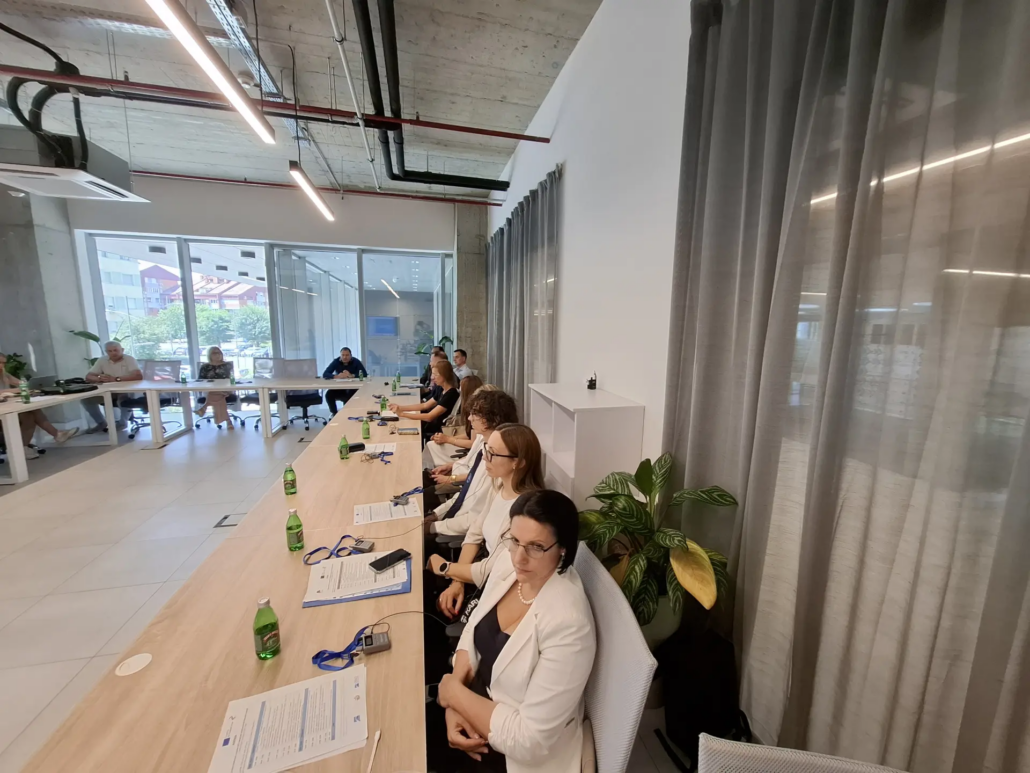

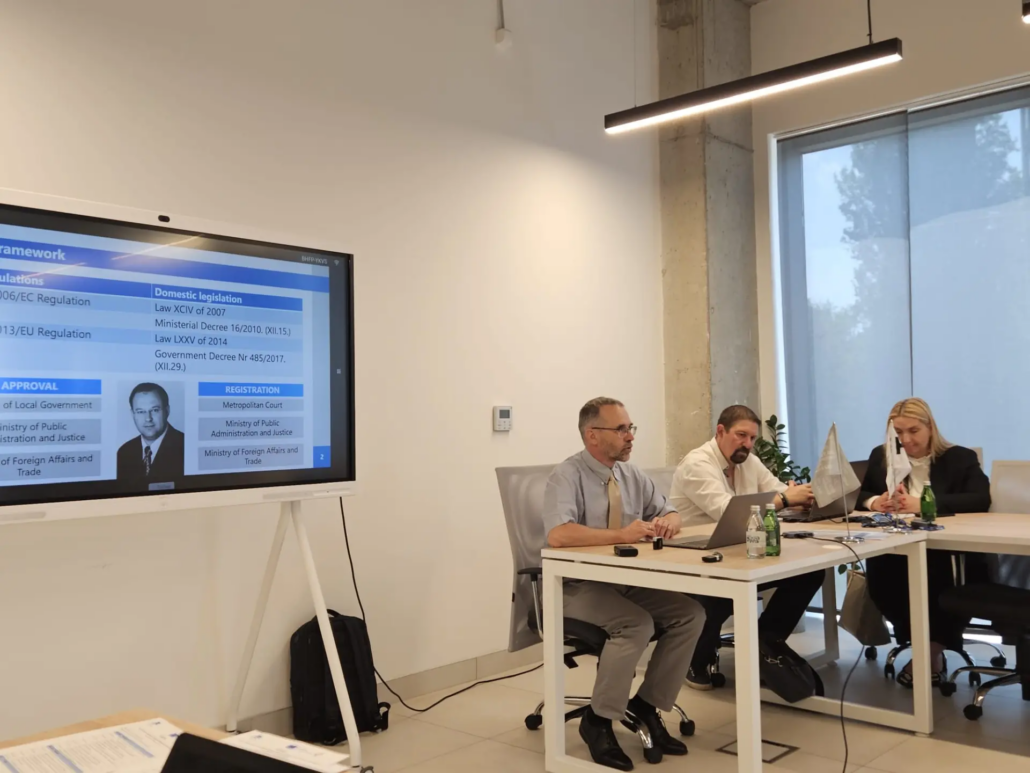
The closing workshop on the 30th of June in Novi Sad was attended by representatives of the Autonomous Province of Vojvodina and its institutions, local government leaders, and experts working on the topic. Participants were welcomed by Ervin Erős, Director of CESCI Balkans, and Károly Kovács, Deputy Provincial Secretary for Regional Development and Interregional Cooperation of the Autonomous Province of Vojvodina. The latter highlighted the regional development role of the DKMT Euroregion, whose further strengthening could be supported by the application of the EGTC instrument in Serbia. Gyula Ocskay, Secretary General of CESCI, presented the legal and institutional framework of the EGTCs in Hungary. Sanda Šimić, Regional Cooperation Advisor at Association NALED, drawing on her decades-long experience, emphasised the advantages of EGTCs, which in her view could be utilised through bilateral agreements with neighbouring EU Member States. From the European Affairs Fund of Vojvodina, Gabriela Has highlighted legal harmonisation as a precondition for access to EU funds, as well as the growing importance of functional territorial cooperation.
Dr. Ágnes Tóthné Gróf, project manager of the BTC EGTC, and Róbert Fejsztámer, Mayor of Kanjiža, presented the advantages of the EGTC instrument from the perspective of the association and a (potential) member, as well as the disadvantages arising from the absence of relevant Serbian legislation. Both emphasised the shortcomings related to full representation, access to funding opportunities, and the development of public services. Andrea Cap Szabóné, Director of the Hungarian–Ukrainian Tisza EGTC, provided an excellent example of what a non-EU entity (in their case, the Ukrainian region of Transcarpathia) can achieve through EGTC membership.
At the end of the workshop, Ervin Erős briefly summarised the results of the b-solutions project, which concluded on the 6th of July, and presented the proposed next steps through which the EGTC instrument could become applicable in Serbia, thereby improving development opportunities for settlements in border regions and the living conditions of their inhabitants.


 The fourth newsletter of the BorderLabs CE project has been published