Practical responses to territorial inequalities: highlights from the ESPON 2026 Seminar in Cyprus
Border studies + Knowledge sharing | 2026. June 29.
Border studies + Knowledge sharing | 2026. June 29.
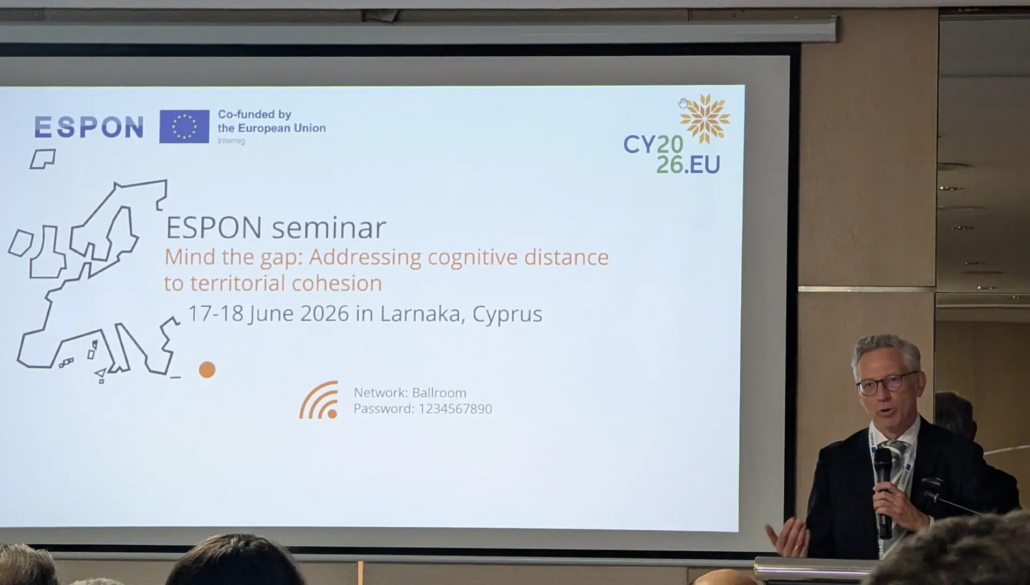
The annual ESPON Seminar was held in Larnaca, Cyprus, on 17–18 June 2026 under the title Mind the Gap: Addressing Cognitive Distance to Territorial Cohesion. Organised in cooperation with the Cypriot Presidency of the Council of the European Union, the event explored how differences in knowledge, capacities, and mental models across regions – referred to as cognitive distance – influence Europe’s green, digital, and social transitions.
The seminar offered participants a comprehensive and intensive programme, providing valuable insights into the current challenges facing European territorial policymaking. Through plenary sessions and interactive panel discussions, experts examined how territorial data can be used more effectively to support evidence-based decision-making and how communication between different levels of governance can be strengthened. Particular attention was devoted to the specific development needs of vulnerable territories, including islands and peripheral regions, the territorial dimensions of climate change adaptation, and the integration of data-driven planning tools into local policymaking.
The findings presented and the professional discussions held during the seminar also offered valuable methodological lessons for experts from Central Europe. One particularly thought-provoking presentation introduced the ESPON MEDCOOPNET project, which provides a highly detailed mapping and analysis of cross-border and transnational cooperation networks across the Mediterranean region. A similar research initiative could also prove valuable in the Central European context. At the same time, one of the greatest methodological challenges in such research remains identifying, from the vast amount of available data, the patterns and relationships that are genuinely relevant for strategic planning and future cross-border cooperation.
Among the thematic sessions, the workshop on housing and land pressure stood out by addressing one of Europe’s most pressing structural challenges. Drawing on the findings of three initiatives – ESPON HOUSE4ALL, ESPON Metroland, and URBACT – the workshop examined housing affordability, land-use conflicts, and the growth of metropolitan areas. Through territorial data, practical case studies, and interactive discussions involving participants, the session demonstrated that data-driven planning and inclusive governance models are indispensable for helping cities and regions address housing shortages and the tensions arising from limited land availability.
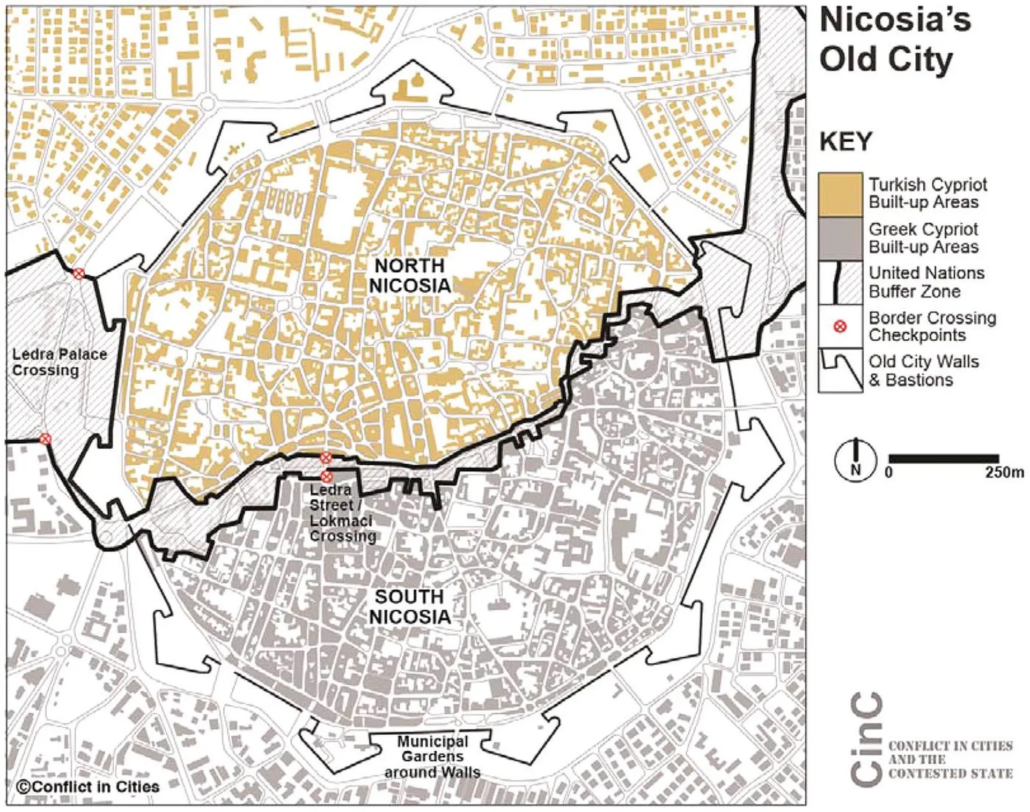
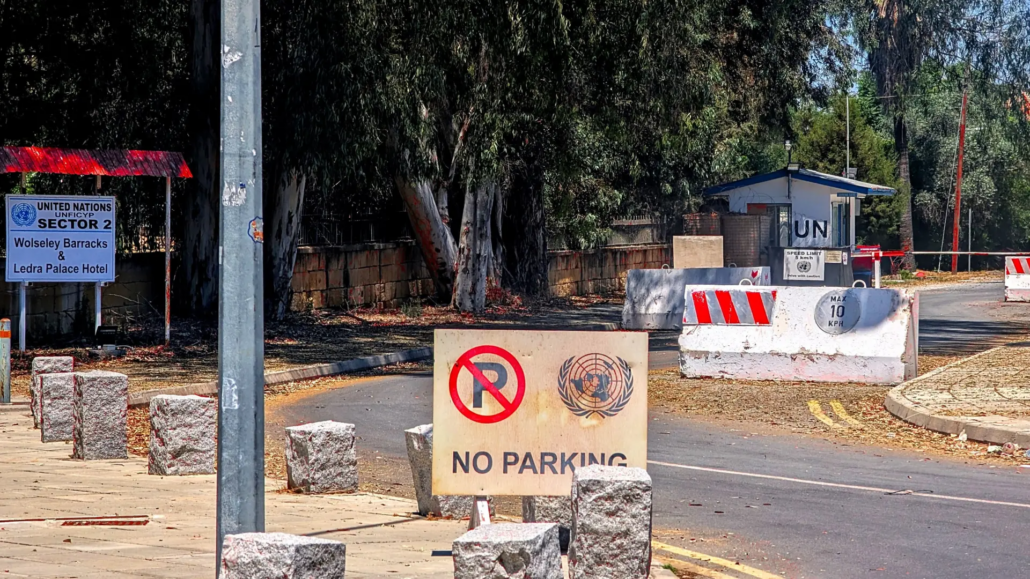
Beyond the conference programme, Cyprus’s unique geopolitical setting also provided an opportunity for first-hand learning. A professional study visit to Nicosia (Lefkosia), the world’s last divided capital, offered a tangible illustration of how a physical and geopolitical border can divide a city for decades while fundamentally reshaping its urban fabric and functional organisation.


 Second Phase Evaluation of the INTERREG V-A Slovakia–Hungary Cooperation Programme...