A new territorial vision for Central Europe? – Closing workshop of the BorderLabs CE project
BorderLabs + Project development | 2026. October 12.
BorderLabs + Project development | 2026. October 12.
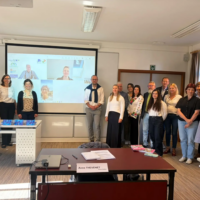
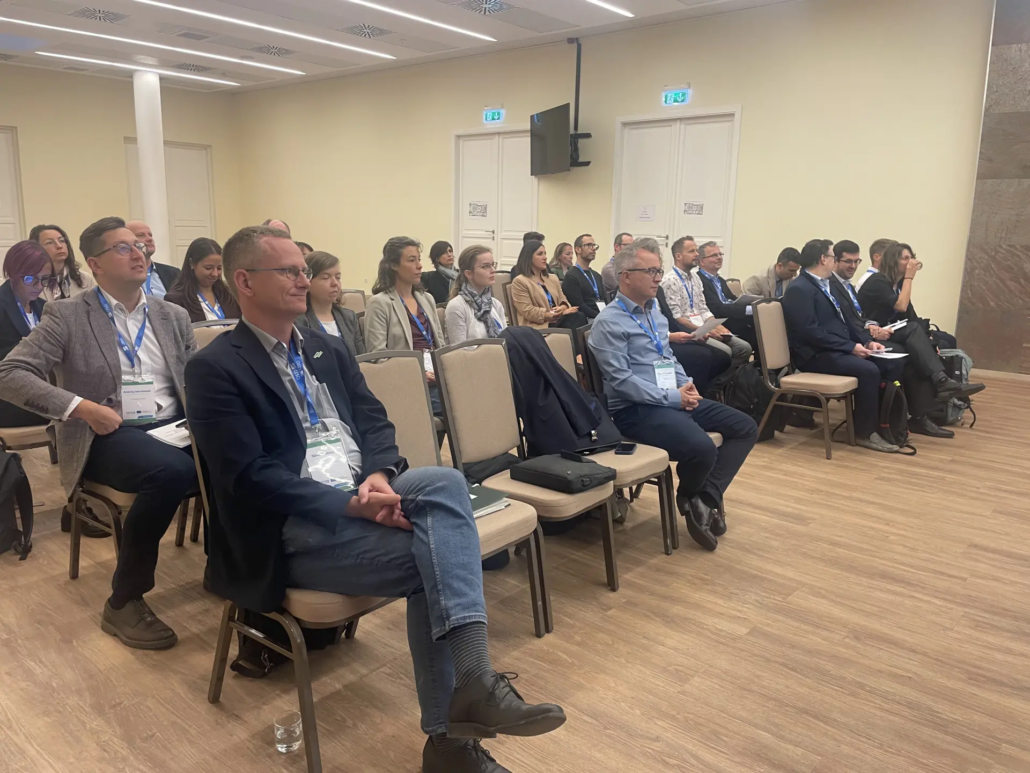
Experts and stakeholders from 9 Central and South-East European countries convened in Budapest on 7 October at the closing event of the BorderLabs CE project. The closing workshop was, in parallel, a launch event of a network of experts working for a new territorial vision for Central and South-East Europe.
Before the big enlargement in 2004, under the coordination of the Austrian Institute for Spatial Planning (ÖIR) and the Federal Office for Building and Regional Planning (BBSR) of Germany, a comprehensive strategic document, the so-called Vision Planet, saw the light in 2000. The document, compiled with active involvement of planners of the CADSES (Central European Adriatic Danubian and South-East European) region, sketched the future potential development scenarios for the area, and envisaged the creation of an expert network facilitating the realisation of the vision.
Today, before a new enlargement with the Western Balkan countries, Ukraine and Moldova, a new spatial vision should be drafted – as the participants of the closing workshop of the BorderLabs CE project concluded. The BorderLabs CE project, cofinanced by the Interreg Central Europe Programme and led by the Saxon State Ministry of Infrastructure and Regional Development, involved cross-border areas from 9 Central European countries and targeted the separating effects of the state borders in the region, which is the most fragmented by such borders globally. The partners tested different solutions to facilitate cross-border planning, participatory governance and the elimination of border obstacles. The solutions can be capitalised and adapted in other border areas as well.
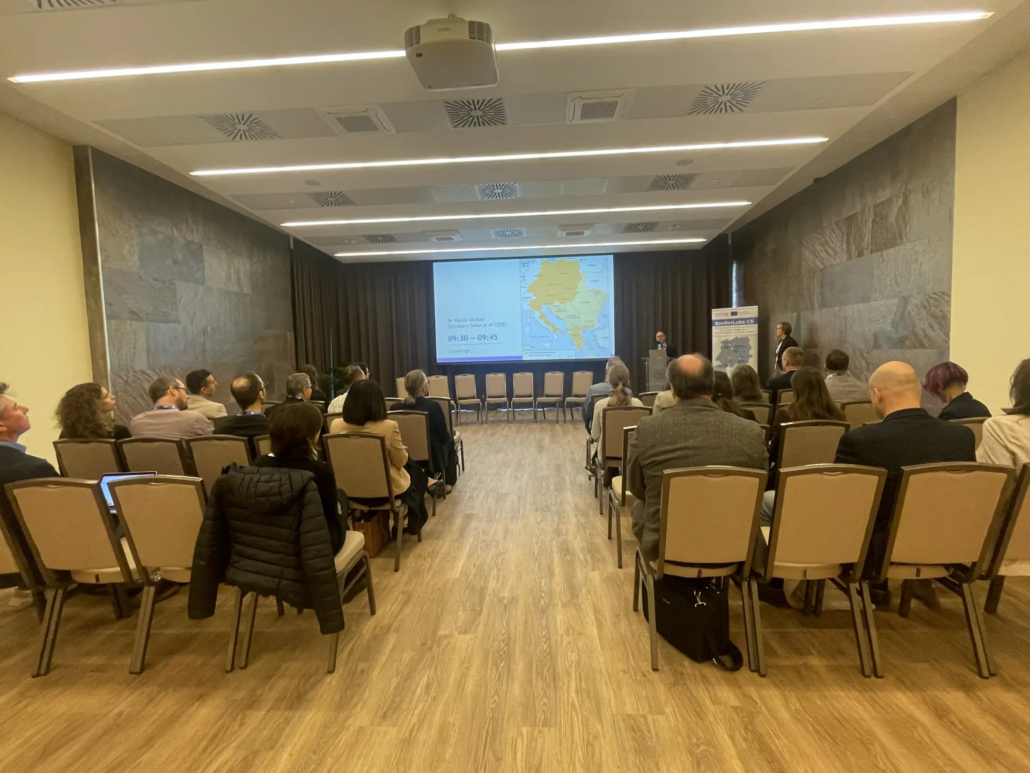
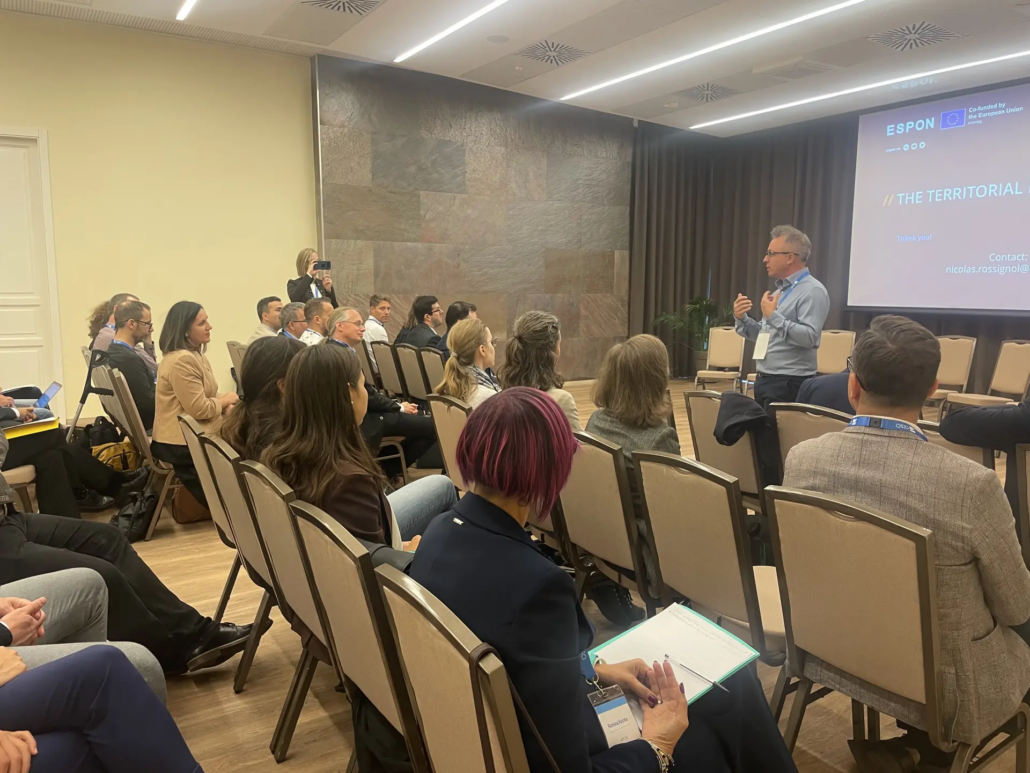
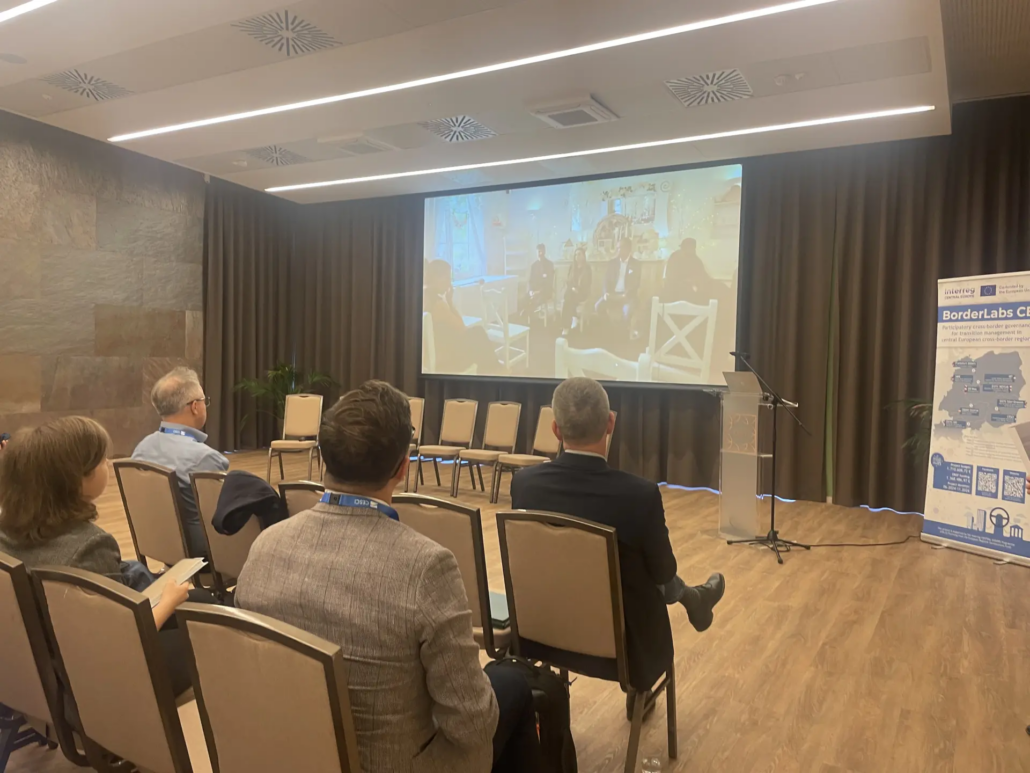
As a result of the activities, the consortium drafted a document, a Charter for a more integrated Central Europe, which formed the basis for the project closing workshop held in Budapest on 7 October. After a brief introduction of the project offered by Gyula Ocskay, Secretary General of CESCI, Nicolas Rossignol, Deputy Director of the ESPON EGTC, explained the Territorial Futures Forum (TFF) process, which is designed to facilitate the compilation of a new spatial vision for the European Union. The 3-year-long foresight-oriented process was triggered by the Polish Presidency in 2025, and it will last until 2029, under the Luxembourg Presidency.
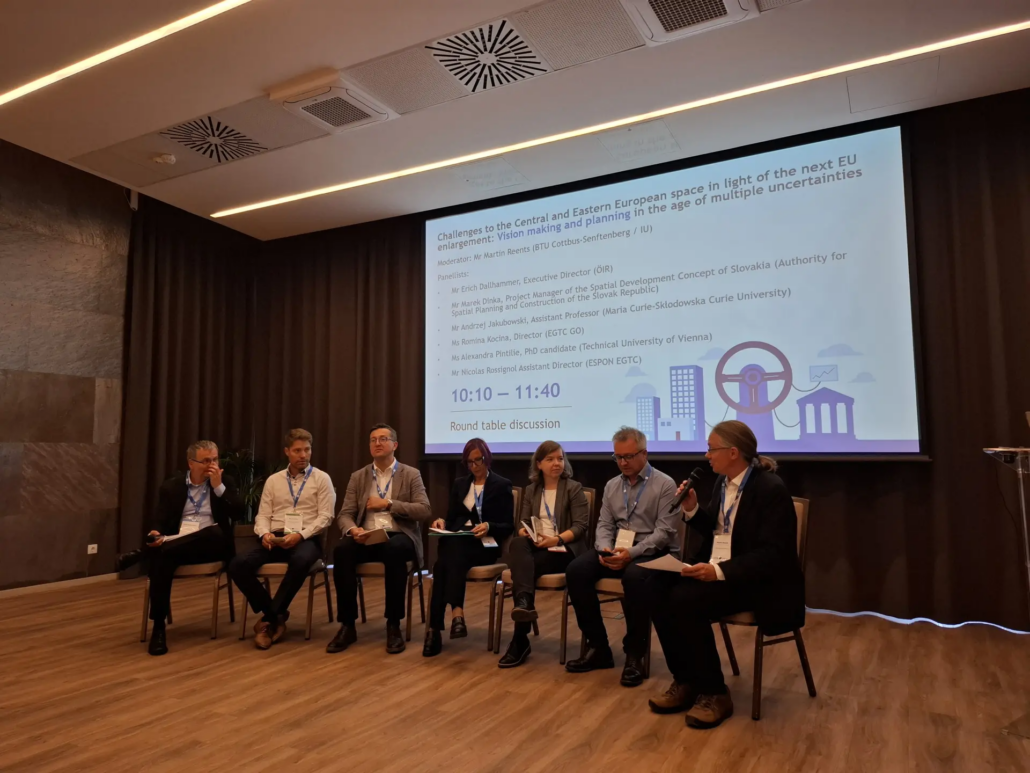
In the following round-table discussion, moderated by Martin Reents (Cotbus-Senftenberg University), the panellists approached a new vision for the Central and South-East European space from different perspectives. Erich Dallhammer, Executive Director of the ÖIR (Austria), found the initiative timely and important. Not only is an orienting vision missing today, but the vision-making process could also develop a valuable network of experts throughout the region. Andrzej Jakubowski, Assistant Professor at Maria Curie-Skłodowska University, Poland, took part in the preparation of the spatial agenda of the Polish Presidency. He is convinced that it is impossible to draft a development strategy without its spatial aspects. The genre of a vision allows for reacting to uncertainties, as it does not predict the future. A new Vision Planet must involve the candidate countries, as it was the case in 1999, when the original one was made. He also pointed out the different roles of state borders in the Central European region compared to the Western European model, which makes a particular approach necessary.
Marek Dinka, project manager of the new spatial concept of Slovakia, from the Authority for Spatial Planning and Construction of the Slovak Republic, assessed a new Central European vision from the point of view of their national planning process as an orienting framework. Romina Kocina, Director of the EGTC GO (Italy-Slovenia), urged the vision to be put into practice. She referred to the numerous studies, concepts and strategies, which landed in the drawer. The vision should facilitate the development of particular tools facilitating the elimination of borders and the development of cross-border integrated conurbations. She also highlighted the citizens’ role in vision making, which, according to Martin Reents, was missing from the European Spatial Development Perspective (ESDP) preceding the big enlargement of the EU in 2004.
Alexandra Pintilie, PhD candidate at the Technical University of Vienna, drew attention to the diversity of the so-called ‘Central European space’: there are big differences in terms of development level within this large area. A new spatial vision should reflect this diversity and the turbulent times we are living in. Nicolas Rossignol connected the process of vision-making with Europe as a never-achieved promise. In his opinion, confronting ideas is always useful, and a vision should not capture everything but the most important aspects.
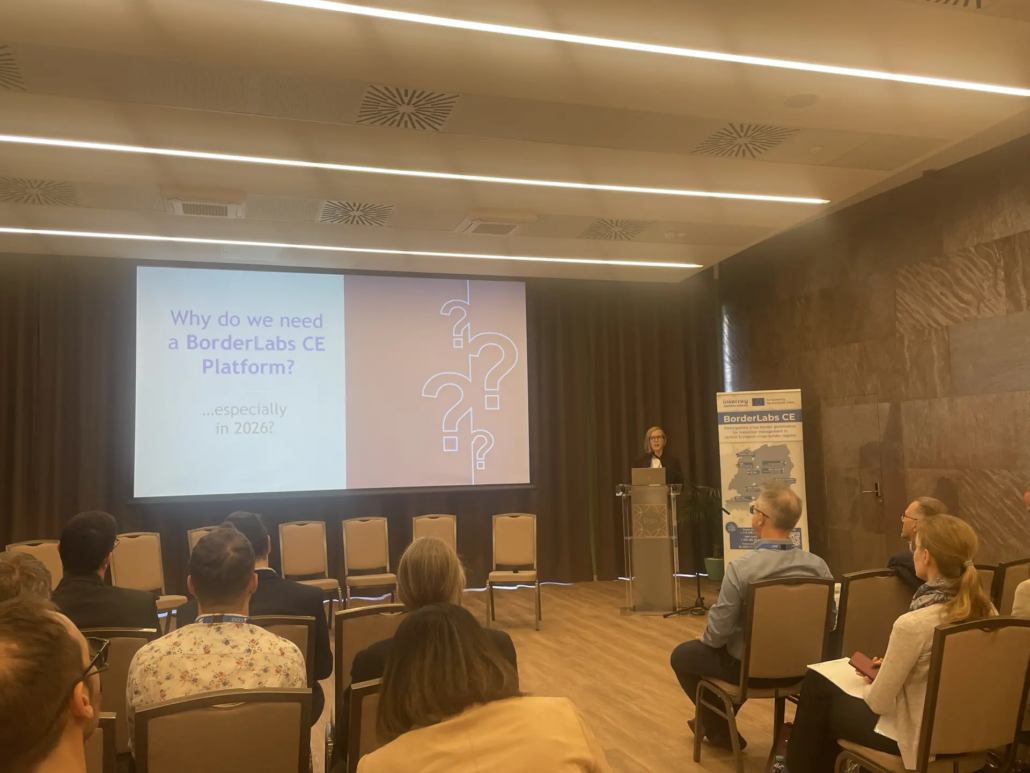
As the last part of the morning session, Kitti Dubniczki, Director of CESCI, presented the BorderLabs CE online platform developed within the project. The platform aims to facilitate knowledge sharing, exchanges and learning, but it should also be the engine of a human platform for planners, development experts and local/regional stakeholders.
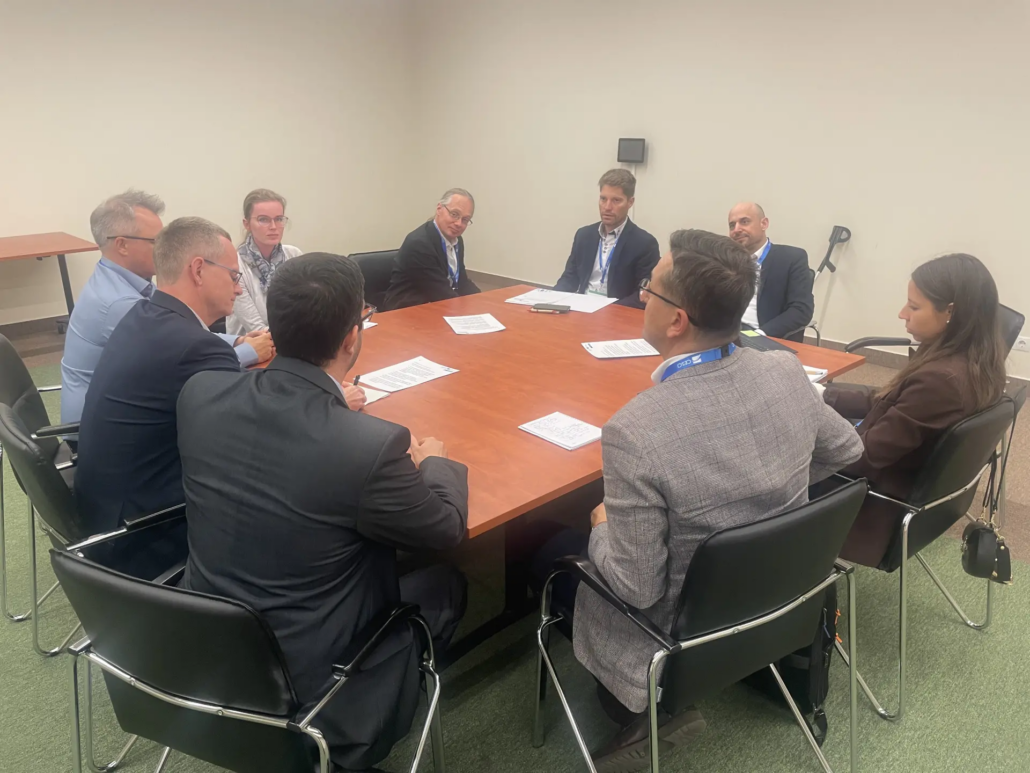
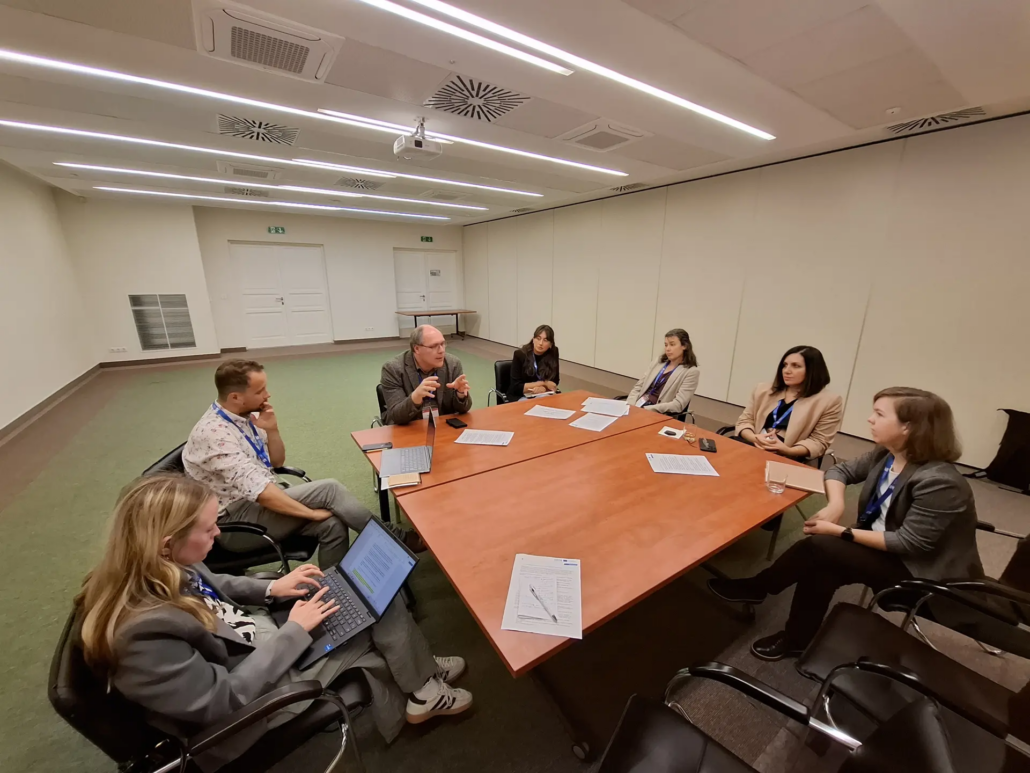
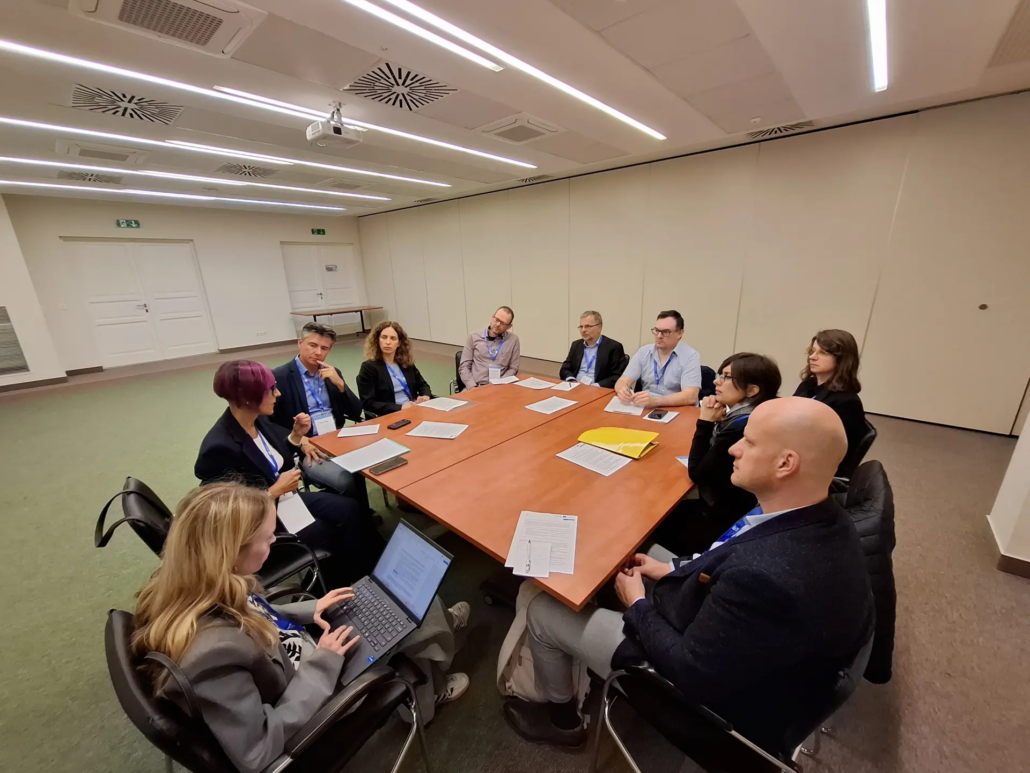
In the afternoon, a World Café was organised revolving around three topics, namely the biggest challenges to Central and South-East Europe before the enlargement, the methodological background of a spatial vision for the area, and the practical aspects of the development and management of the network. The three topics have generated lively debates in the three groups, the results of which were summarised at the closing plenary. The moderators of the discussion concluded that the participants considered the development of a new spatial vision necessary before the new enlargement, and they expressed their interest therein. The vision-making should be in harmony with the TFF process, evidence-based, supported by reliable data sets, consultative, keeping the bottom-up character and the opportunity to deliver more visions if the challenges require that. Concrete recommendations have been formulated also from a procedural point of view.
Together with Martin Reents, CESCI will compile a summary report about the event in the upcoming weeks, including alternative scenarios for the future steps, which will be commented on by the participants of the workshop. It is expected that the joint work starts right at the beginning of 2027.