„Joint problems generate joint solutions”. International conference on the EGTC tool in Chişinau, Moldova
EGTCs + Knowledge sharing + Policy-making | 2026. September 22.
EGTCs + Knowledge sharing + Policy-making | 2026. September 22.
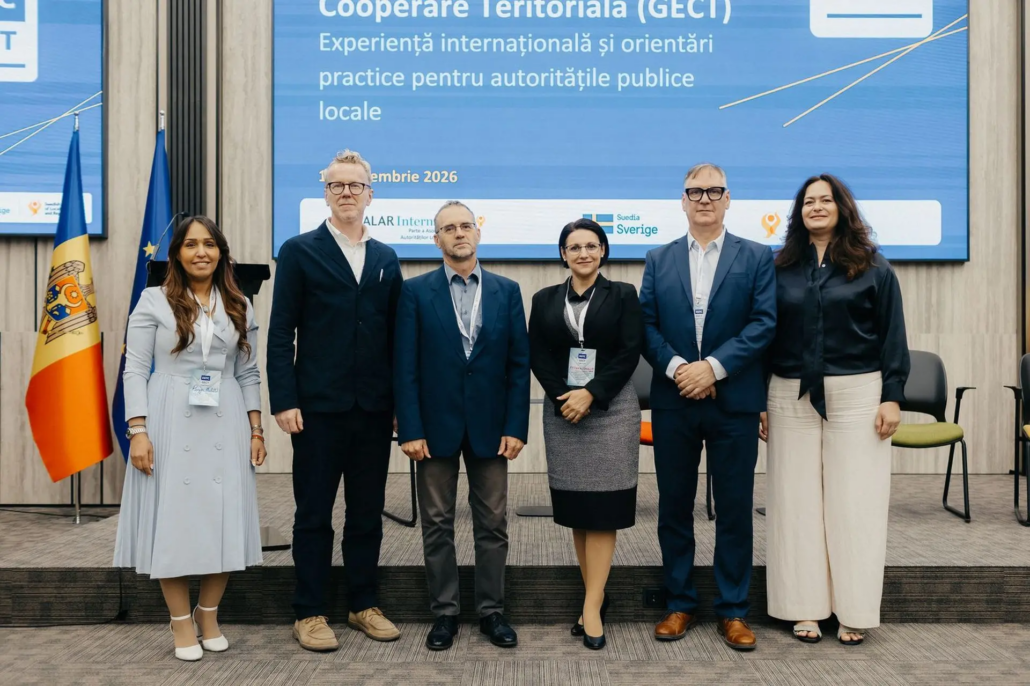
The Parliament of the Republic of Moldova adopted the domestic EGTC law on 11 June this year. The legal act enables local, regional and national authorities located in Moldova to join European Groupings of Territorial Cooperation (EGTCs). The Swedish Association of Local Authorities and Regions (SALAR International) organised a conference to promote the tool on 10 September, where CESCI was also present.
The event started with the welcoming words of Larisa Voloh, vice chairwoman of the Parliamentary Commission for Public Administration and Regional Development, which was in charge of drafting the law, Mr Ghenadie Marian, Head of the cabinet of the Bureau for European Integration, Her Excellency, Ms Petra Larke, Ambassador of Sweden to Chişinau, and Shane Quinn, manager of the PACE Local Project of the SALAR Association.
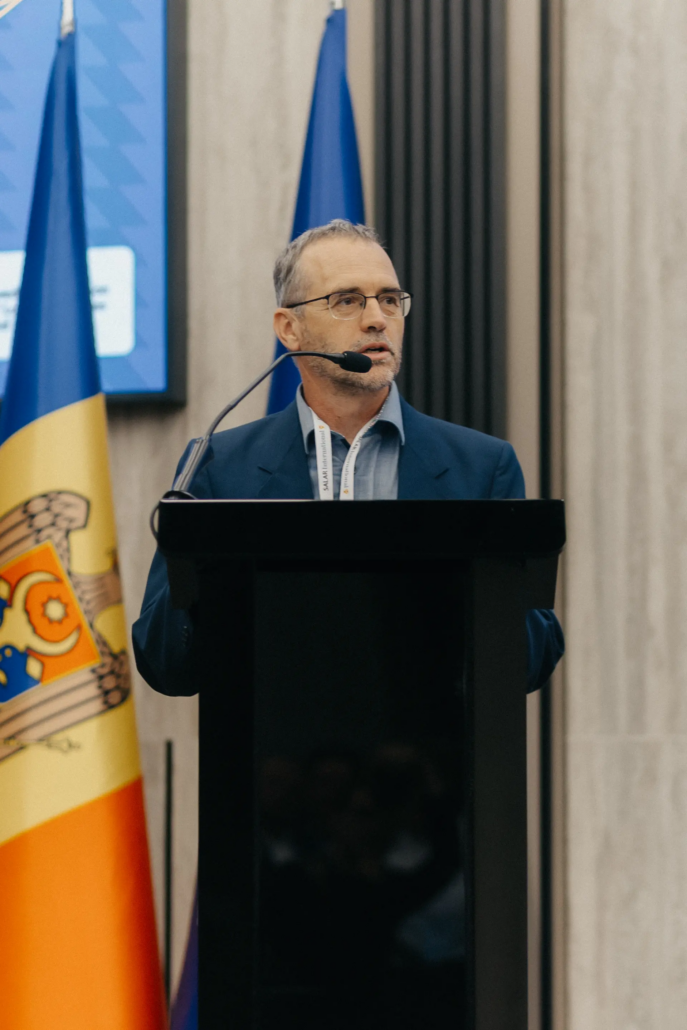
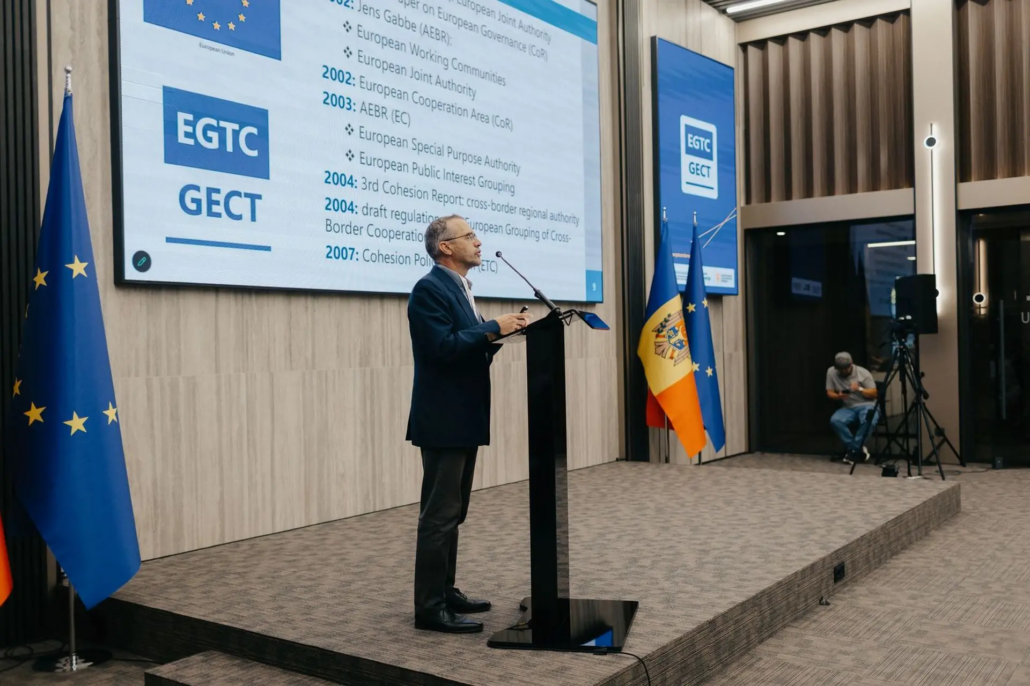
The presentations aimed to share firsthand experiences about the tool with the representatives of Moldovan and Ukrainian local and regional leaders. The first two presentations, targeting the introduction of the tool, its evolution, advantages, threats and perspectives, were given by Gyula Ocskay, Secretary General of CESCI (in person) and Klaus Boele, Policy Officer of the COTER Commission of the European Committee of the Regions.
Ms Natalia Roşca, legal expert involved in the drafting of the Moldovan law, introduced the legal act per topic. Mr Slawomir Demkowicz-Dobrzanski, International Strategist of Region Kronoberg (Sweden), representing the Euroregion Baltic EGTC and Ms Andrea Szabóné Cap, Director of the Tisza EGTC, presented their experiences with the EGTC tool, from a user’s perspective.
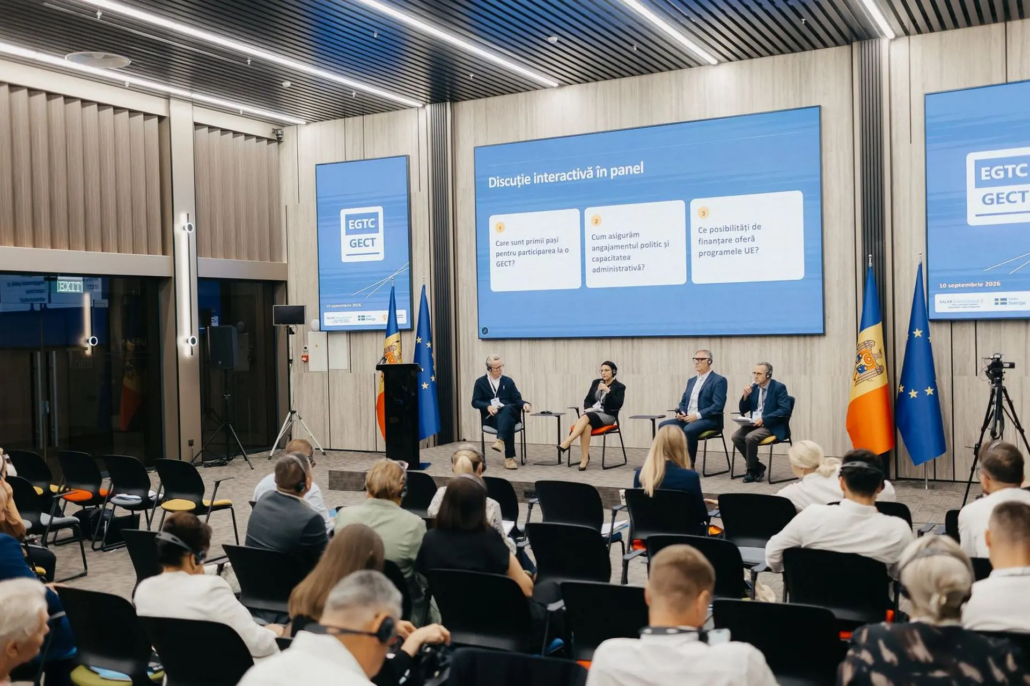
The event ended with a round-table discussion of the speakers moderated by Shane Quinn. As they unanimously outlined, the EGTC is a tool which cannot change the situation in a border area in one stroke. Sustainable and successful cooperation needs time and patience. Without a high level of trust, clear objectives and financial and political commitment, the EGTC project will fail. The first step should be the setting up of the joint objectives. The second should be a benchmark of the tools which can help achieve these goals. It is not self-evident that the EGTC is the appropriate tool in every case. Once the decision is made about the goals and the instrument, the founding members need to invest in the joint project, which will bring its fruits later on.
As the presentations demonstrated, a grouping can open a universe of opportunities if it is well-founded, but can result in bad neighbourly relations if it lacks trust. The EGTC is not a magic tool, but it can elevate cooperation to a higher level.


 The LUPS-CESCI Research Group at the TEIN Annual General Assembly and Conference...