Pálfi István EGTC 20 Memorial Conference
EGTCs + Knowledge sharing + Policy-making | 2026. March 10.
EGTCs + Knowledge sharing + Policy-making | 2026. March 10.
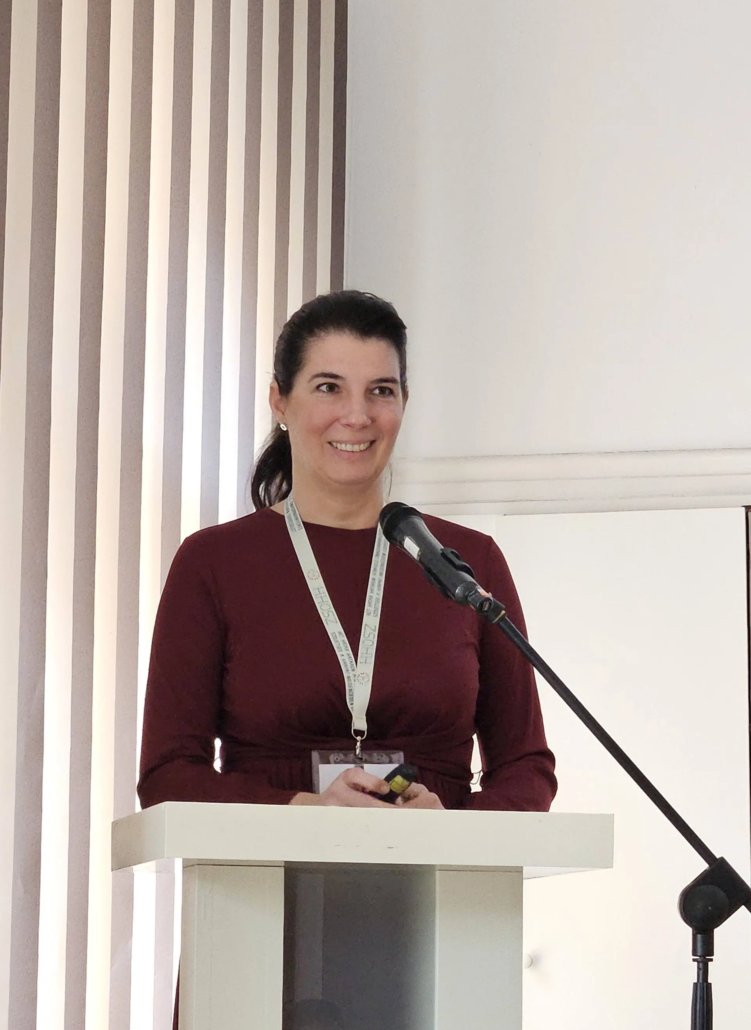
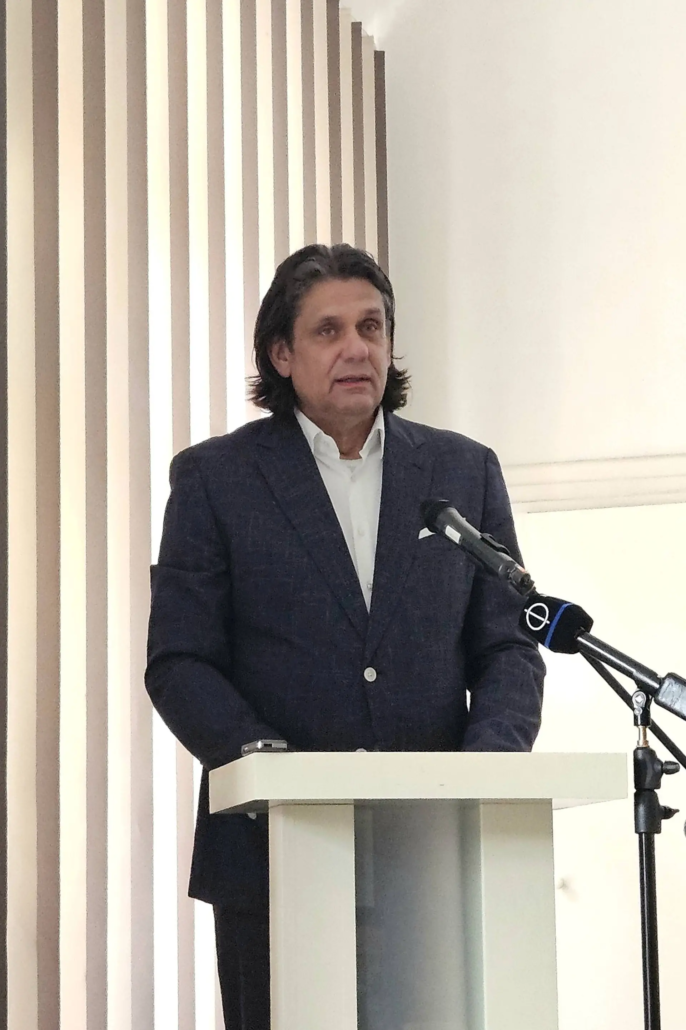
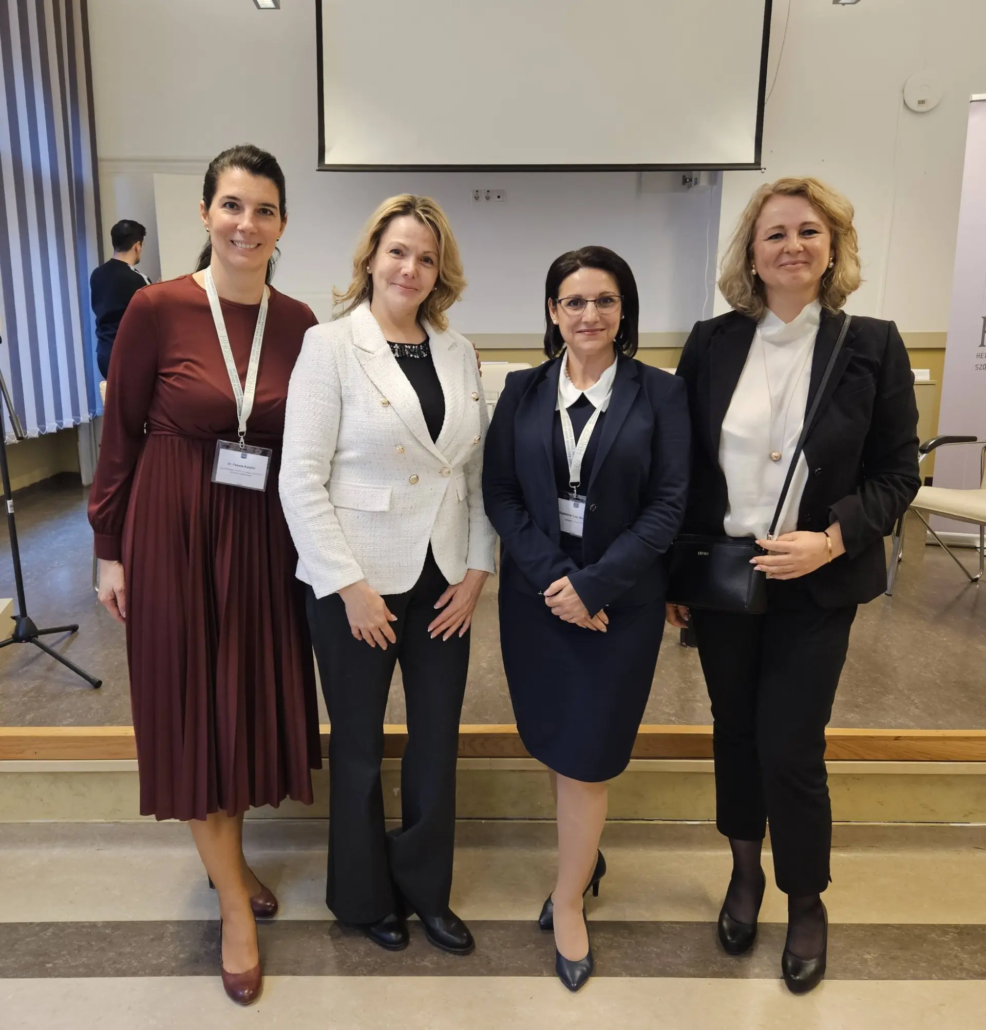
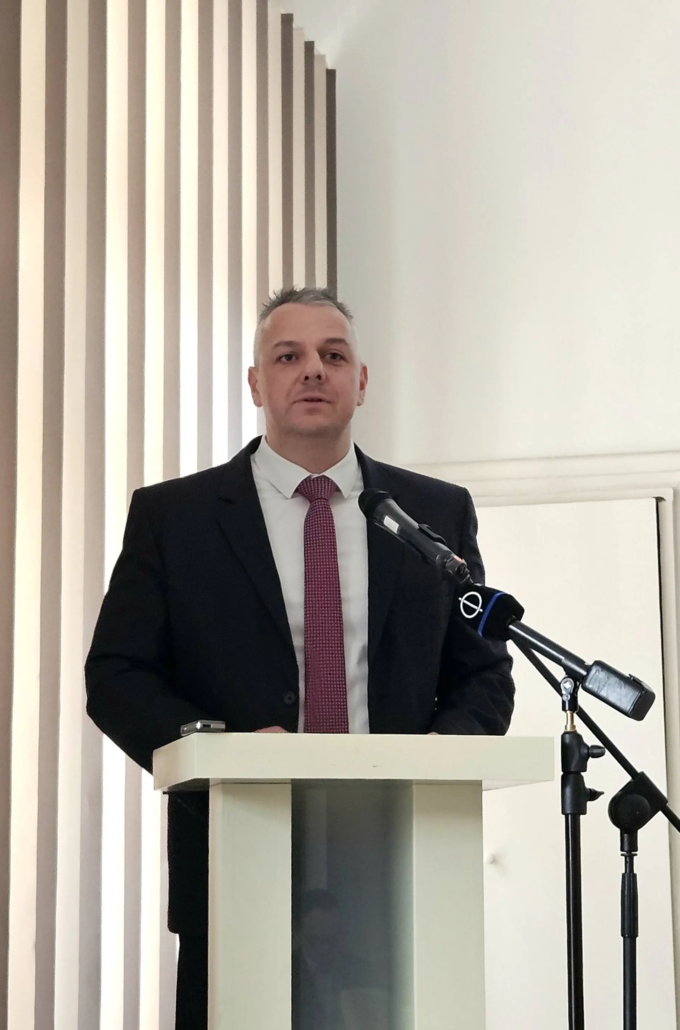
On March 5, 2026, a memorial conference was held in Budapest focusing on one of the most important legacies of István Pálfi’s work: the role and operation of EGTCs (European Groupings of Territorial Cooperation). The event was organized through the cooperation of the Association of the Seven Borders Municipal Alliance in the Carpathian Basin (HHÖSZ), CESCI, and EDUTUS University. Participants were welcomed by Dr. László Zsombok, President of HHÖSZ; Dr. Judit Bertalan Czunyiné, patron of the event and State Secretary responsible for regional development; Dr. Miklós Dukai, State Secretary for local governments; and Dr. Tamás Deutsch, Member of the European Parliament. In their speeches, they praised the activities of István Pálfi and highlighted the importance of EGTCs and the role of HHÖSZ.
The first part of the conference featured academic presentations on the functions of EGTCs, relevant regulatory frameworks, and funding opportunities. First, Dr. Zsuzsanna Fejes, associate professor, outlined the legal instruments of cross-border governance and the legislative changes accompanying the development of EGTCs. Her presentation introduced the audience to the importance of border regions, legislative developments since the Madrid Outline Convention, the internal structure of EGTCs, and the obstacles that hinder their operation. Next, Dr. Katalin Fekete, legal advisor at CESCI, presented the specific characteristics of the Hungarian EGTC law, emphasizing legal-technical difficulties and the effective cooperation within the Hungarian “EGTC environment.” The first block concluded with a presentation by Dr. Bernadett Petri, ministerial commissioner and managing director of the Hungarian Development Promotion Office (MFOI). She highlighted the importance of more effective EGTC participation in direct EU funding programmes, which could help expand the professional expertise of EGTCs and diversify their sources of income. In this regard, she indicated that MFOI would gladly provide the necessary advisory support.
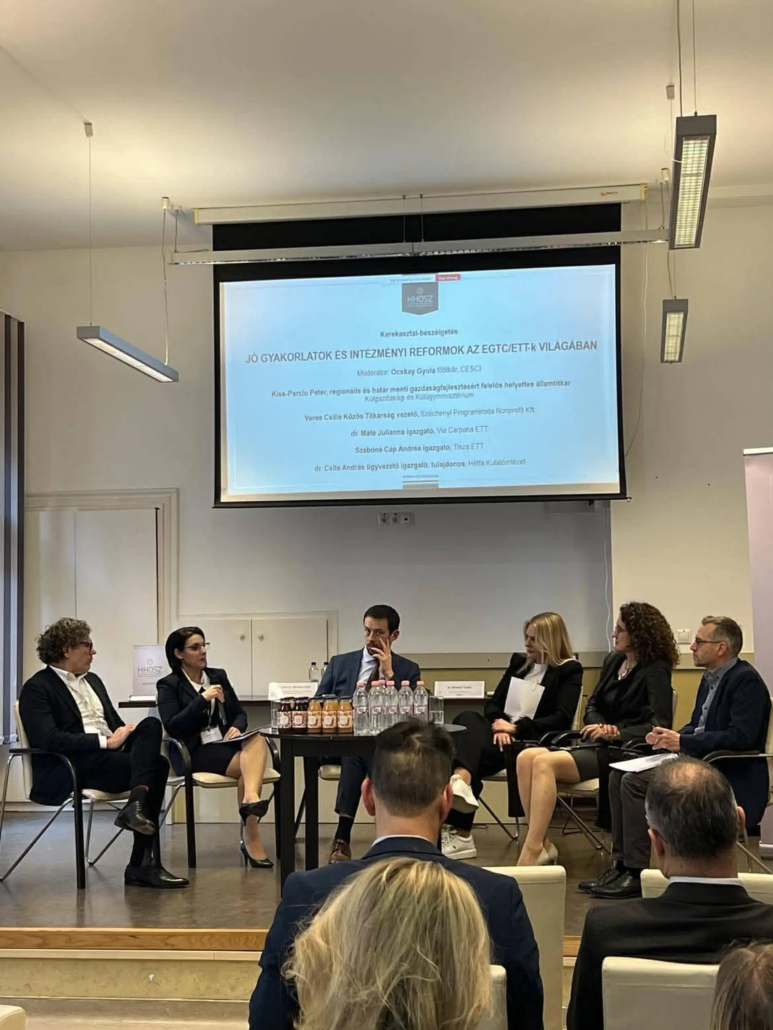
The afternoon program continued with a roundtable discussion moderated by Gyula Ocskay, Secretary General of CESCI. The discussion focused on good practices related to EGTCs and possible institutional reforms. Péter Kiss-Parciu, State Secretary responsible for regional and cross-border economic development at the Ministry of Foreign Affairs and Trade, emphasized the partnership between EGTCs and the ministry. He highlighted the ministry’s support and oversight responsibilities, which ensure the lawful operation of EGTCs. Csilla Veress, head of the Joint Secretariat of the Széchenyi Programme Office Nonprofit Ltd. (SZPI), drew attention to the innovative role of EGTCs (for example managing the Small Project Fund and implementing action plans), which has made the Hungarian–Slovak Interreg programme a European best practice. Representing EGTCs, Dr. Julianna Máté, director of the Via Carpatia EGTC, and Andrea Cap Szabóné, director of the Tisza EGTC, joined the discussion. Both emphasized constructive cooperation among partners and the importance of adapting to a constantly changing environment. The strong local knowledge and network capital of EGTCs is demonstrated by the humanitarian work of the Tisza EGTC in Ukraine (such as organizing children’s camps and setting up a donation center), through which they were able to provide immediate assistance to people in need. The panel also included Dr. András Csite, managing director of the Hétfa Research Institute, who shared his views on the territorial positioning of EGTCs and the reduction of existing cross-border obstacles.
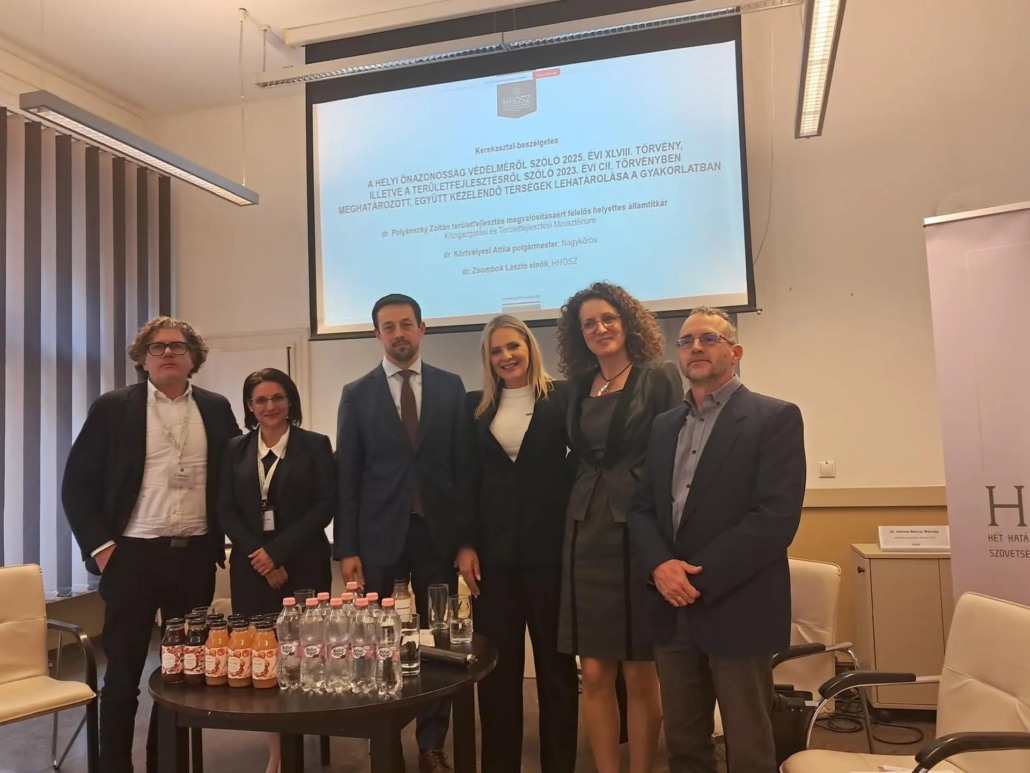
In the final session, Dr. Zoltán Polyánszky, Deputy State Secretary responsible for the implementation of regional development at the Ministry of Public Administration and Regional Development, and Dr. Attila Körtvélyesi, Mayor of Nagykőrös, discussed — moderated by President László Zsombok — legislation concerning the protection of local identity and the delimitation of regions that should be managed jointly. The conclusion of the discussion was that it is recommended to develop regional centers of power that extend beyond administrative (county) borders, while also ensuring the preservation of the identity of local communities.
The event concluded with closing remarks by Dr. András Levente Gál, President of the István Pálfi Regional Development Foundation.


 The results of the CROSSGOV ESPON project have been published